Review: Code of Misconduct (2026) – The Scandal That Shook Canadian Hockey
A court case involving former junior national team players becomes a look at a system that protected its own image for too long.

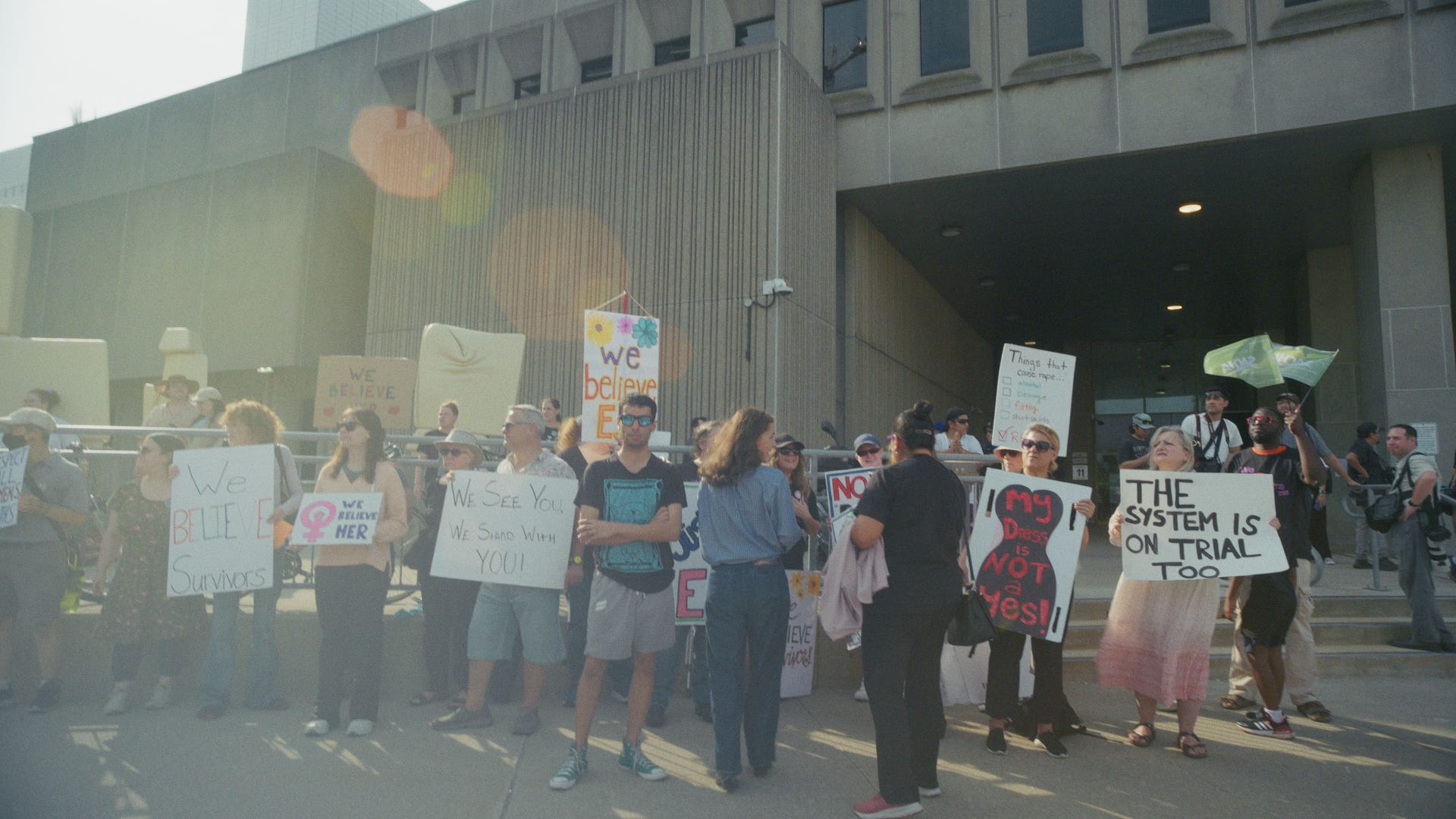
Documentarian Sébastien Trahan returns to the case involving members of Canada’s 2018 national junior hockey team. After a Hockey Canada gala in London, Ontario, one night in a hotel room became a case that years later ended in a trial involving five former players. But the film does not stop at the trial itself. It asks how similar behaviour can become normalized in a hockey environment, and why it stayed silent for so long.
When the hockey locker room went to court
The case began after the 2018 Hockey Canada gala, when, according to court materials and later investigation, a young woman ended up in a hotel room with several members of the national junior team. What happened that night later became the subject of both criminal proceedings and public debate. The film avoids an unnecessarily explicit reconstruction and instead pieces the events together through testimonies, text messages, police records and the court process.
The case fully returned to public attention when it became known that Hockey Canada had previously handled it through a confidential financial settlement. The public, media and politicians began asking not only about the allegation itself, but also about the system surrounding young hockey players: who it protects, how it works, and why it took so long for the whole thing to be discussed openly.
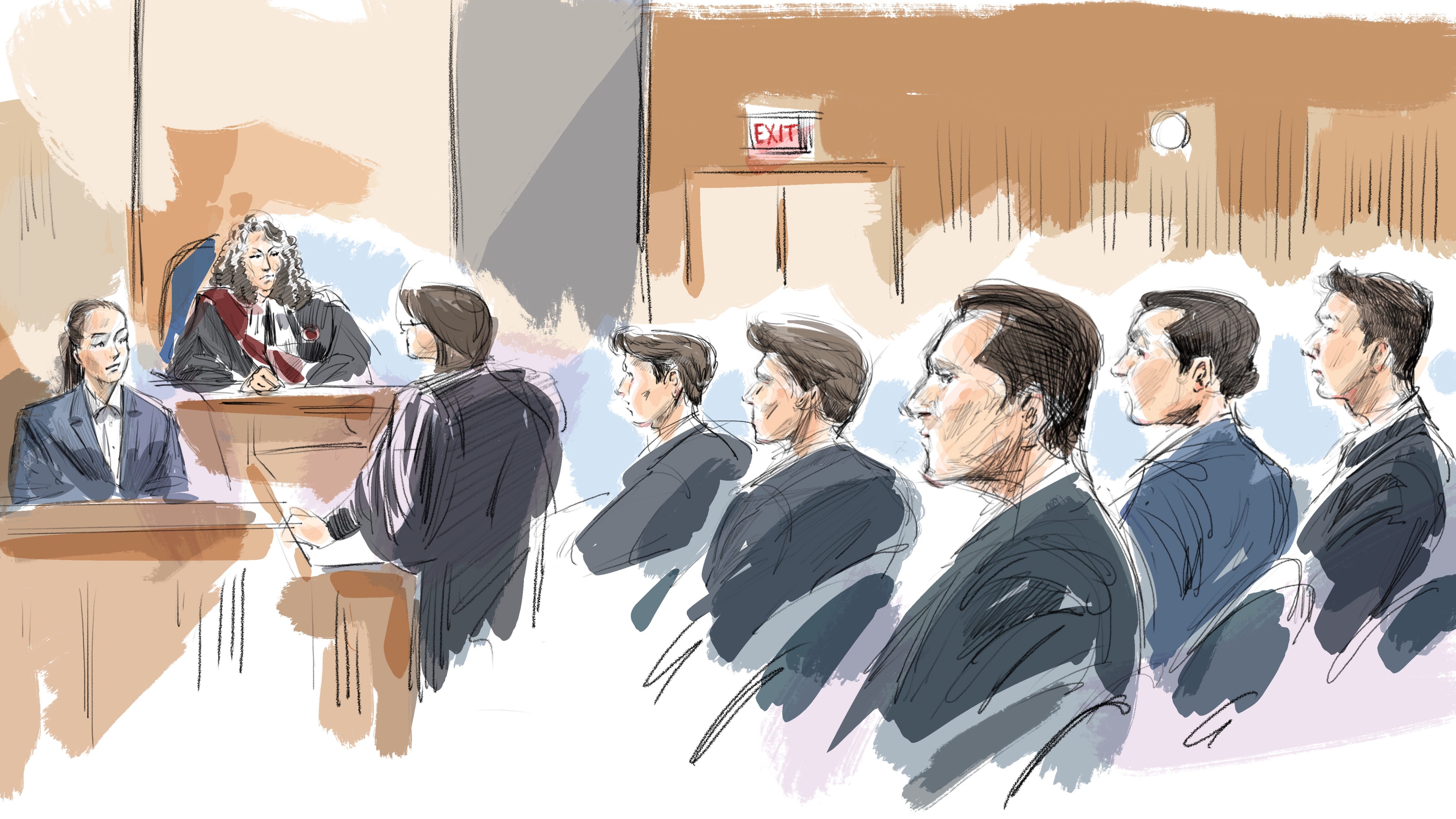
The trial eventually ended with all five accused players being acquitted. That is where Code of Misconduct becomes most interesting. It does not work with the simple idea that a verdict automatically closes the whole story. Instead, it shows that the legal result and the broader social reckoning are not the same thing. After the verdict, the film is not only asking about the guilt of individuals, but about an environment that allows, downplays or hides similar situations behind loyalty to the team and the reputation of the national sport.
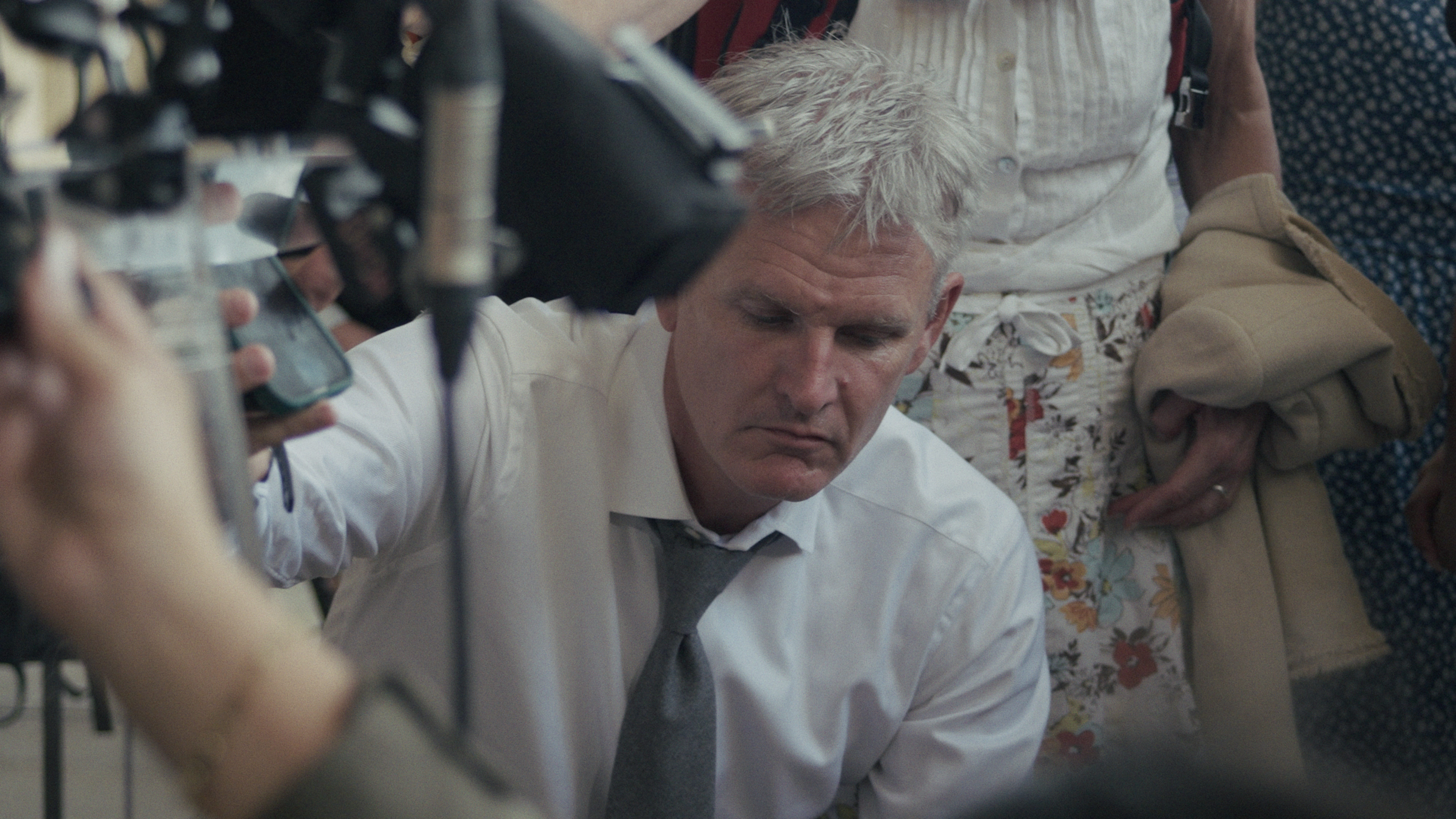
Investigative journalist Rick Westhead becomes the central figure of the film. He followed the case for a long time and helped bring it back into public view. The documentary captures him during the trial as he puts together testimonies, text messages, police records and reactions from people around the case day by day.
What also works in Code of Misconduct is that even if you know the outcome of the trial, or have a fairly clear idea of where the documentary is heading, the film still holds your attention. It is not the tension of a true crime series trying to pull you toward the next twist. It is more about watching a system in real time. You do not only want to know what happened. You want to know what the court, the media, hockey and society are going to do with it.
Where the problem begins
Code of Misconduct gradually moves from a specific court case to the environment of junior hockey. It shows how young players learn to function in a system where the team often carries more weight than the individual. The film deals with loyalty, silence, hazing, hierarchy and pressure to perform. It becomes clear that the problem does not begin in professional sports. These patterns of behaviour are formed much earlier. The young players in the film are not simply demonized. They are shown as part of a system that teaches them from an early age what can be said, and when it is better to look away.
The film also shows that a court process does not close a case like this as simply as the public might sometimes want. In court, the focus is on evidence, testimonies and the legal limits of guilt. But the social problem is wider. Even though all the accused were acquitted, that does not mean the hockey environment has nothing to address. Quite the opposite: the documentary shows that a verdict can end the trial, but not the debate about the culture that led to it.

A film against silence, not against hockey
Trahan’s film does not attack hockey as a sport. It is aimed more at an environment that protected its own image for too long. It asks why certain things were excused as part of the locker room, the team or hockey culture, and why people only started talking about them openly when silence was no longer possible.
If the documentary has a weaker point, it is that it shows the problem clearly, but spends less time on what should happen next. The film includes efforts to work directly with young hockey players and talk to them about consent, respect, locker-room pressure and the limits of team loyalty. That part could have used more space. What exactly should clubs, leagues, coaches, parents or schools do so that change does not become just another press statement? Code of Misconduct opens that question, but does not explore it in depth. Maybe because that would be enough for another documentary on its own.
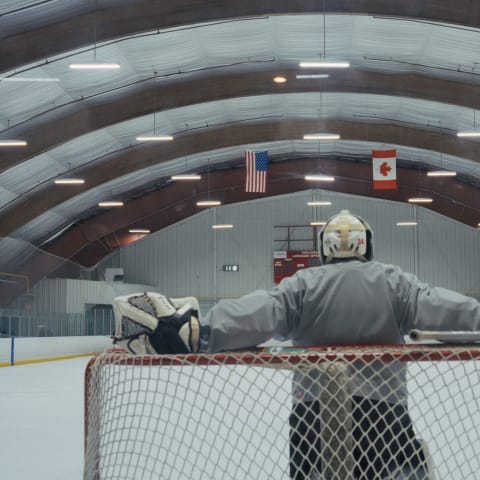
Even so, Code of Misconduct is another documentary that deserves to be seen. It talks about a system that protects the stronger side, pushes loyalty and leaves uncomfortable things aside for too long. It is a strong and difficult film about a sport loved by millions of people, but also about a culture that has to learn how to look at itself.
Rating: 8/10 ⭐️⭐️⭐️⭐️
Documentary
Canada 2026
Director: Sébastien Trahan
Writer: Sébastien Trahan, Lauren Barker
For viewers unable to catch the film at Hot Docs festival, Code of Misconduct will also be available on Super Channel Fuse beginning Friday, May 8 at 9:00 p.m. ET.
Trailer:
Poster: