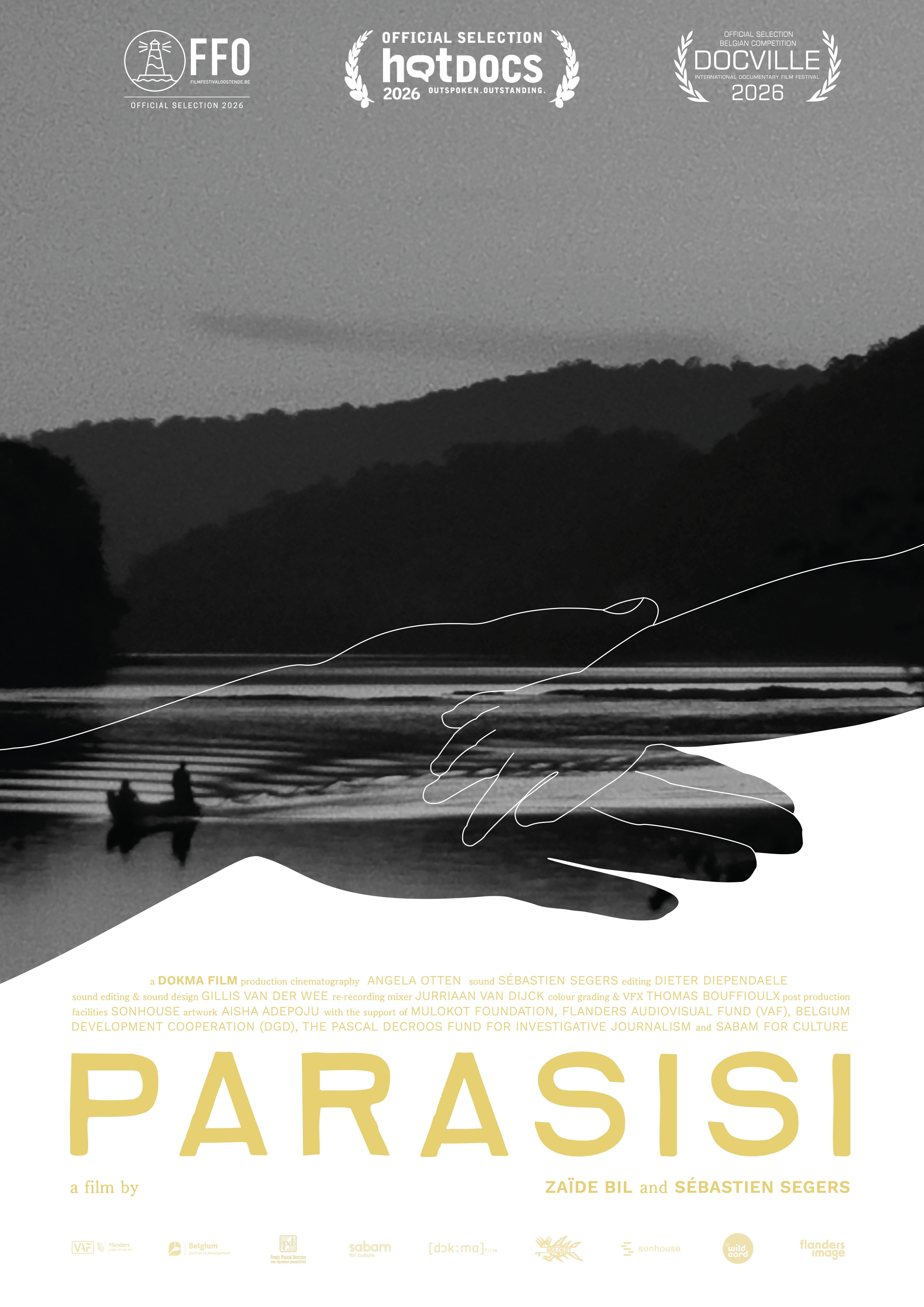
Review: Parasisi (2026) – Colonialism That Never Ended
A quiet yet devastating film about mercury in the river, poison in the body, and how home disappears without a single war

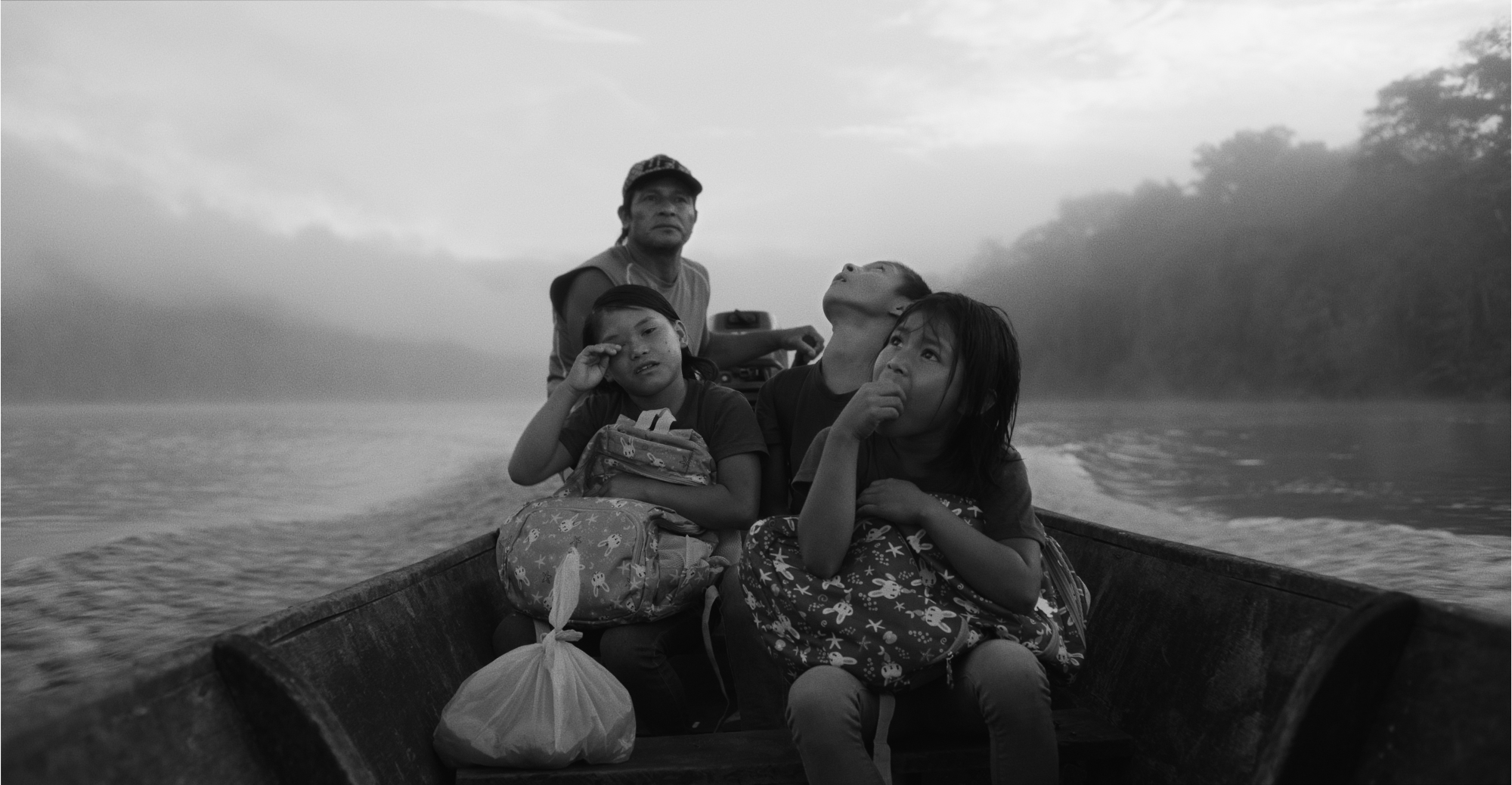
Along the Lawa River, on the border between Suriname and French Guiana, lives the Wayana community. Their lives have long been shaped by the presence of those they call parasisi — intruders, outsiders, people arriving from elsewhere. Directed by Zaïde Bil and Sébastien Segers, the 61-minute documentary premiered internationally at Hot Docs 2026.
Parasisi is not a film that presents its subject through loud political confrontation, protests, or activist slogans. Instead, it observes the everyday lives of people in a place where destruction has become a slow and ordinary part of reality. Illegal gold mining poisons the river with mercury, missionaries bring foreign traditions that suppress Indigenous identity, and even doctors with good intentions leave behind traces of quietly violent intervention.
The Belgian documentary shows that colonialism often does not look dramatic. It can look like an ordinary day. A river that keeps flowing even while contaminated. Children growing up with poison already inside their bodies. A community trying to continue living while its home and identity are slowly being reshaped from the outside.
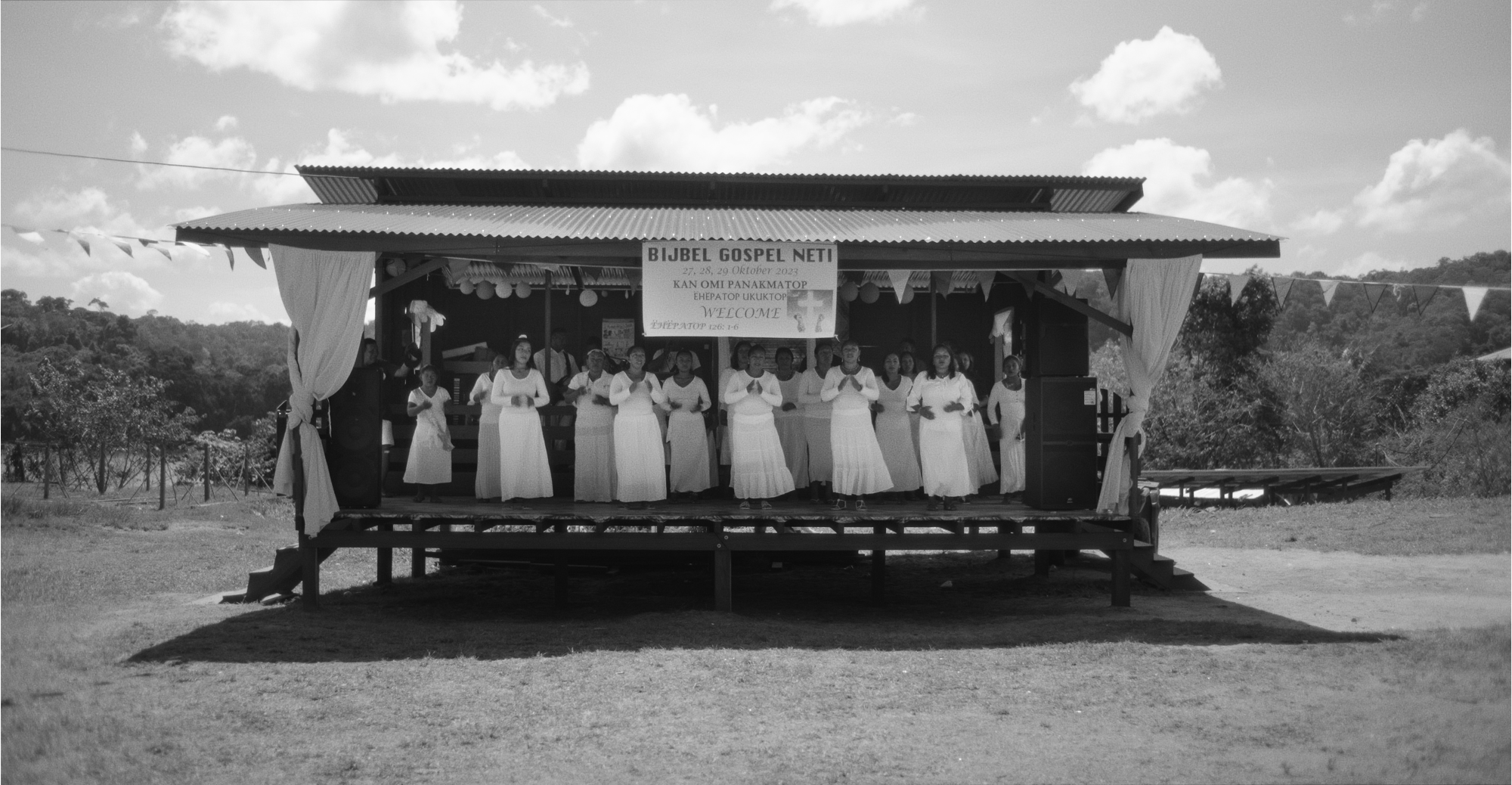
Horror as a Normal State
In its storytelling, Parasisi reminded me of films like The Zone of Interest, where evil is not presented as a single explosive event, but as an environment people learn to live with. Horror lies not in one visible catastrophe, but in the fact that something destructive runs alongside ordinary life for so long that it begins to feel normal.
The historical dimension of the film reaches far into the past. According to the film’s accompanying materials, the Wayana people’s existence was profoundly disrupted as early as 1885, when gold was discovered in the region. Since then, outsiders have repeatedly marked their territory: miners, missionaries, institutions, and people arriving under the name of help.
The visual form is equally powerful. The film is shot in striking black and white cinematography by Angela Otten. According to the filmmakers, this was partly a deliberate dialogue with early black-and-white images of Indigenous communities often captured by missionaries themselves. At the same time, it was a way to challenge the romanticized image of Indigenous life and introduce more shades of grey — both literally and metaphorically.
And it works beautifully. The camera is static, patient, and often breathtakingly beautiful. Many shots feel almost like still photography, but never as empty aestheticism. The black-and-white imagery creates constant tension with what unfolds beneath it.
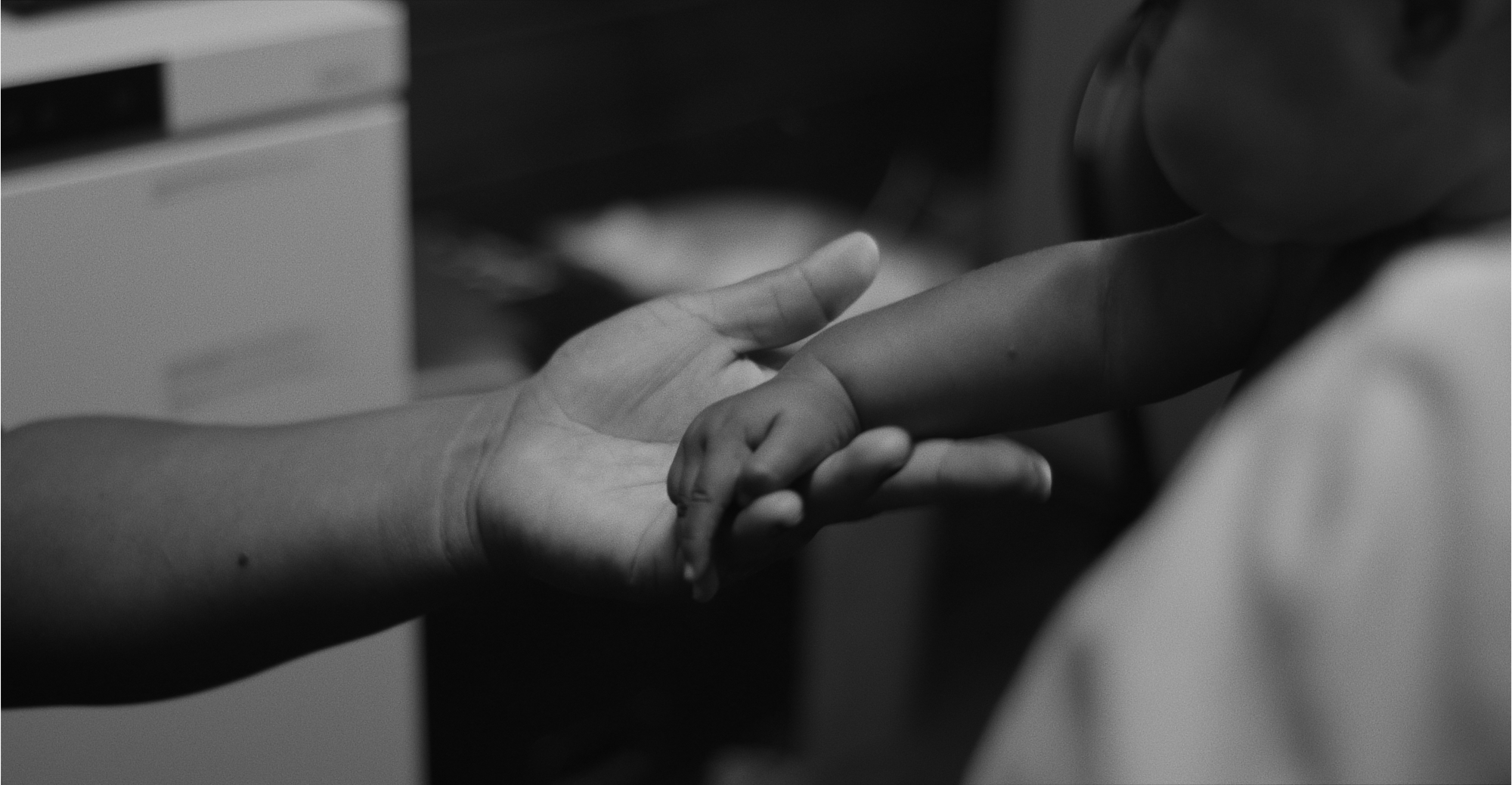
Colonialism in a New Form
There is also a strong personal dimension to the film. Zaïde Bil has Surinamese roots, and her previous work Memre Yu explored questions of family memory and cultural belonging. That journey, as she explained in an interview with Business Doc Europe, led her toward a broader interest in the untold stories of Suriname and its Indigenous communities.
The film raises a simple but urgent question: who truly has the right to feel at home on their own land? In an age of trade wars, resource conflicts, and new forms of economic domination, Parasisi feels painfully current. Colonialism is not presented here as a chapter from history books, but as an ongoing reality. It no longer arrives with flags and armies, but through extraction, religion, medicine, and well-intentioned systems of control.
Parasisi is a quiet, visually stunning, and deeply unsettling documentary that never needs to shout to leave an impact. It shows a world where violence is written not through wars, but into landscapes, rivers, and human bodies. And that is exactly why it is one of those films that should not only be seen, but discussed long after the screening ends.
Rating: 7/10 ⭐️⭐️⭐️⭐️
Documentary
Belgium 2026
Director: Zaïde Bil, Sébastien Segers
Writer: Zaïde Bi
You can catch the film at the Hot Docs Canadian International Documentary Festival:
Friday, April 24 – 9:00 PM TIFF Lightbox – Cinema 4
Saturday, April 25 – 11:30 AM TIFF Lightbox – Cinema 3
Trailer:
Poster: