Every two minutes, a woman somewhere in the world dies from causes related to pregnancy or childbirth that could often have been prevented. In 2023, that meant more than 700 women every day. And although maternal mortality has fallen significantly since 2000, more than 90% of these deaths still occur in low- and lower-middle-income countries. The world is also estimated to be short by nearly one million midwives.
Some documentaries should be shown in every school. The Delivery Line: Midwives on the Frontlines is one of them. This powerful and important film follows five midwives in different parts of the world and shows just how demanding, essential, and often underappreciated their work really is.
Director Nance Ackerman moves between five completely different environments, where children are born under conditions most people would never associate with standard maternity care. She takes us to Colombia, the mountainous regions of Afghanistan, the U.S.-Mexico border, northern Nigeria, and shelters in Toronto, where many viewers might not expect to find a story like this.
In each place, the work of a midwife looks a little different, but it is always essential. In some places, migration is the main issue. Elsewhere, it is missing equipment, safety, or simply whether a woman can reach help in time at all. In these situations, the film shows that birth itself is only one part of their work. Midwives also have to build trust, improvise, and function in conditions that are often not designed in favor of mothers or children.
The film also reframes crises that are often told through a male lens in cinema and the media: war, drug conflicts, migration, colonialism, gangs, borders. We usually see fighters, police, politicians, smugglers, or perpetrators. Women in these stories often appear mainly as victims. Here, it is different.
Ackerman shifts the focus to women who may not be armed, who do not wage war, and who are not at the center of political decisions, but who hold their communities together every day. Without them, those communities would be even more vulnerable.
That is why I do not want to mention them in the review with just one sentence. From the film and the festival materials, it is clear that each of them has a story that could carry its own documentary. The viewer mainly sees their work in the film, but it is worth adding a few details that show why Ximena, Gulbadan, Maria, Hamsatu, and Jay are such strong figures.
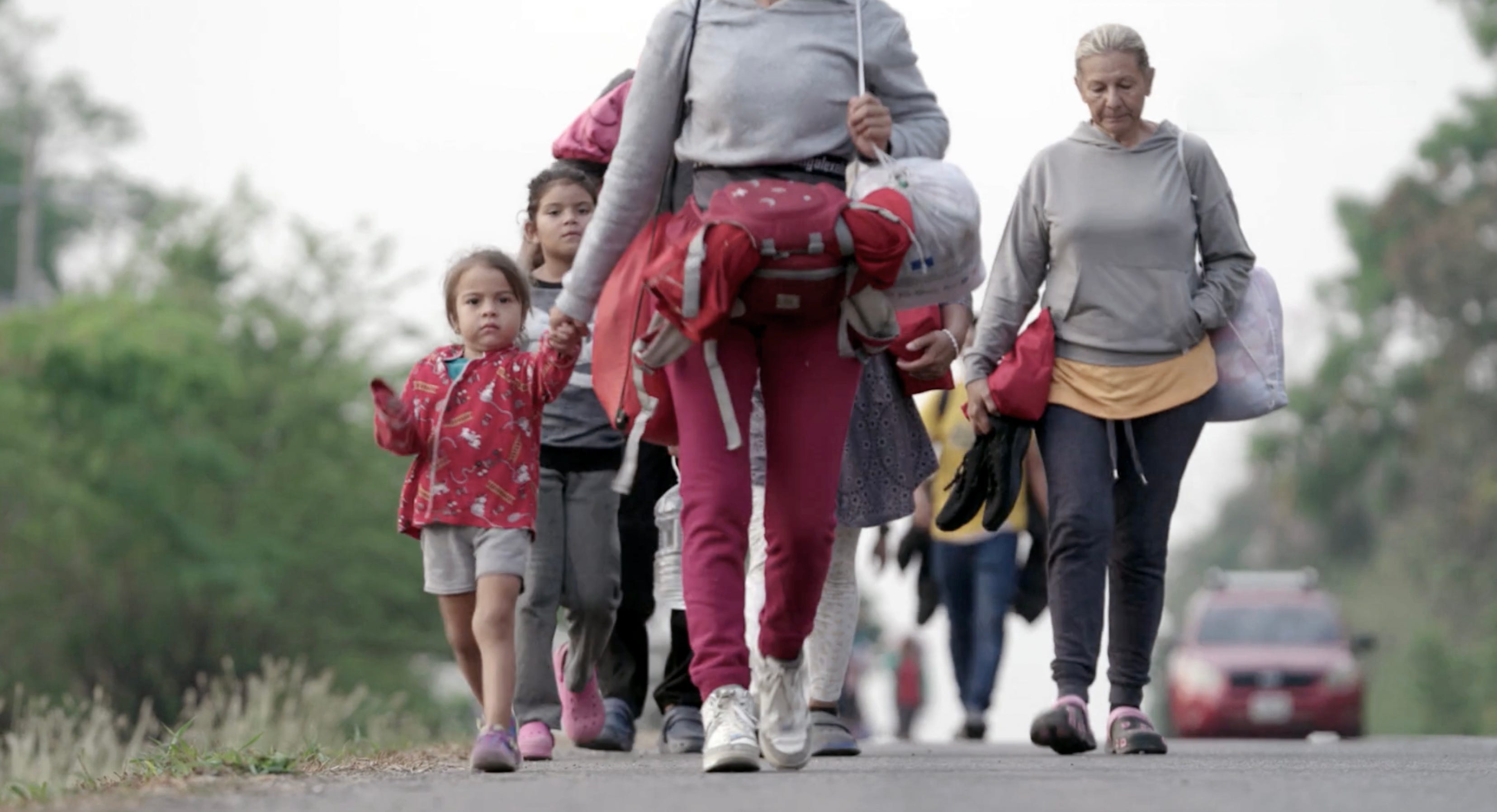
Most Migrants Are Women and Children Fleeing Violence
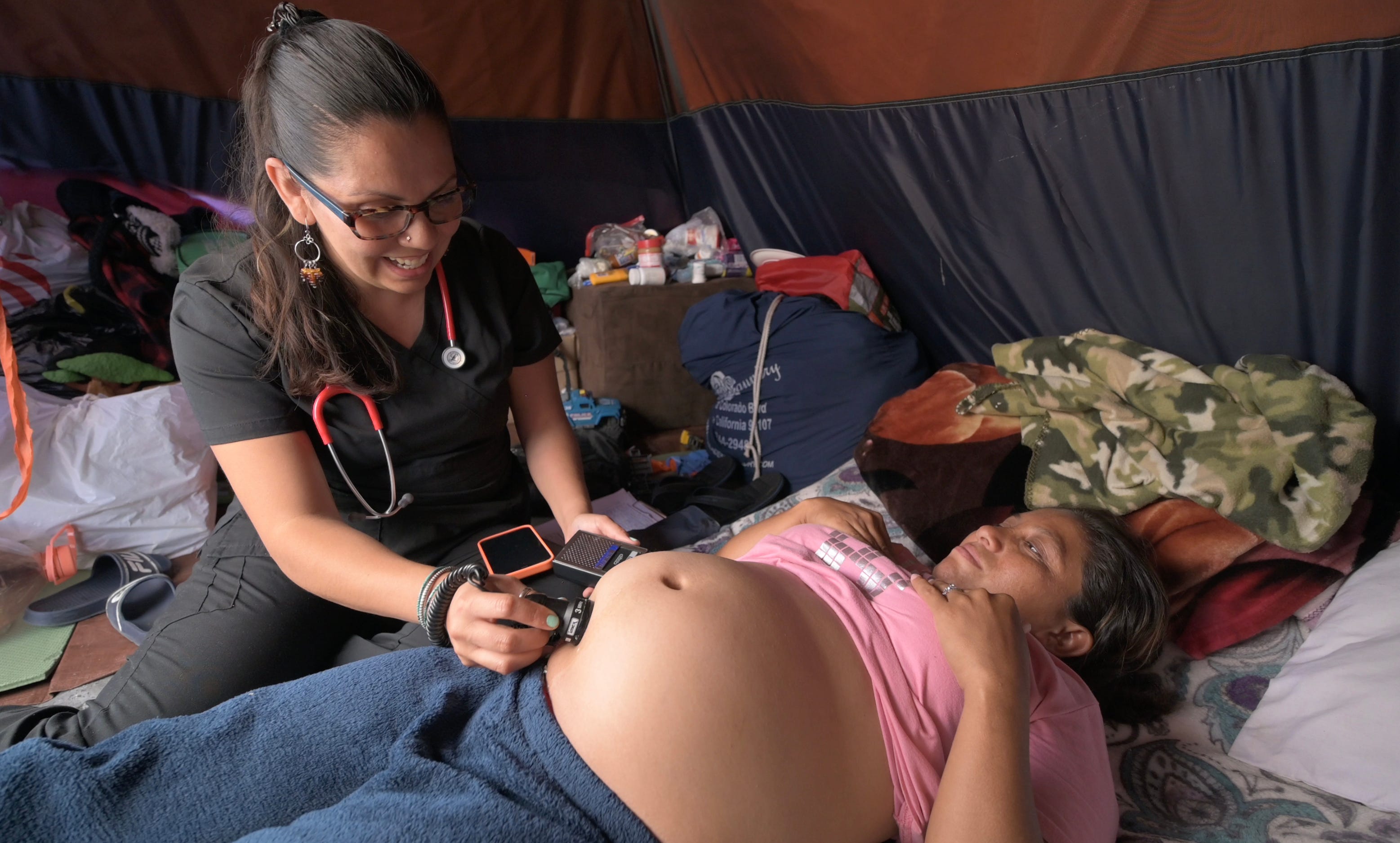
Ximena works in Tijuana, in camps and shelters for migrants waiting for a chance to cross the border into the United States. The film follows her as she walks between colorful tents in a camp of around 1,500 people, looking for her patient. One of the women is Maria, an eight-months-pregnant migrant who arrived in Tijuana with her son and was left alone after a long journey.
Ximena helped found Parteras Fronterizas, also known as Frontier Midwives, a clinic that provides care for pregnant migrants and new mothers. Her section of the film shows that the border is a place where women wait in temporary conditions, often after fleeing violence and without any certainty about what comes next. In that environment, a midwife deals not only with birth, but also with safety, trust, and the basic feeling that a woman is not completely alone.
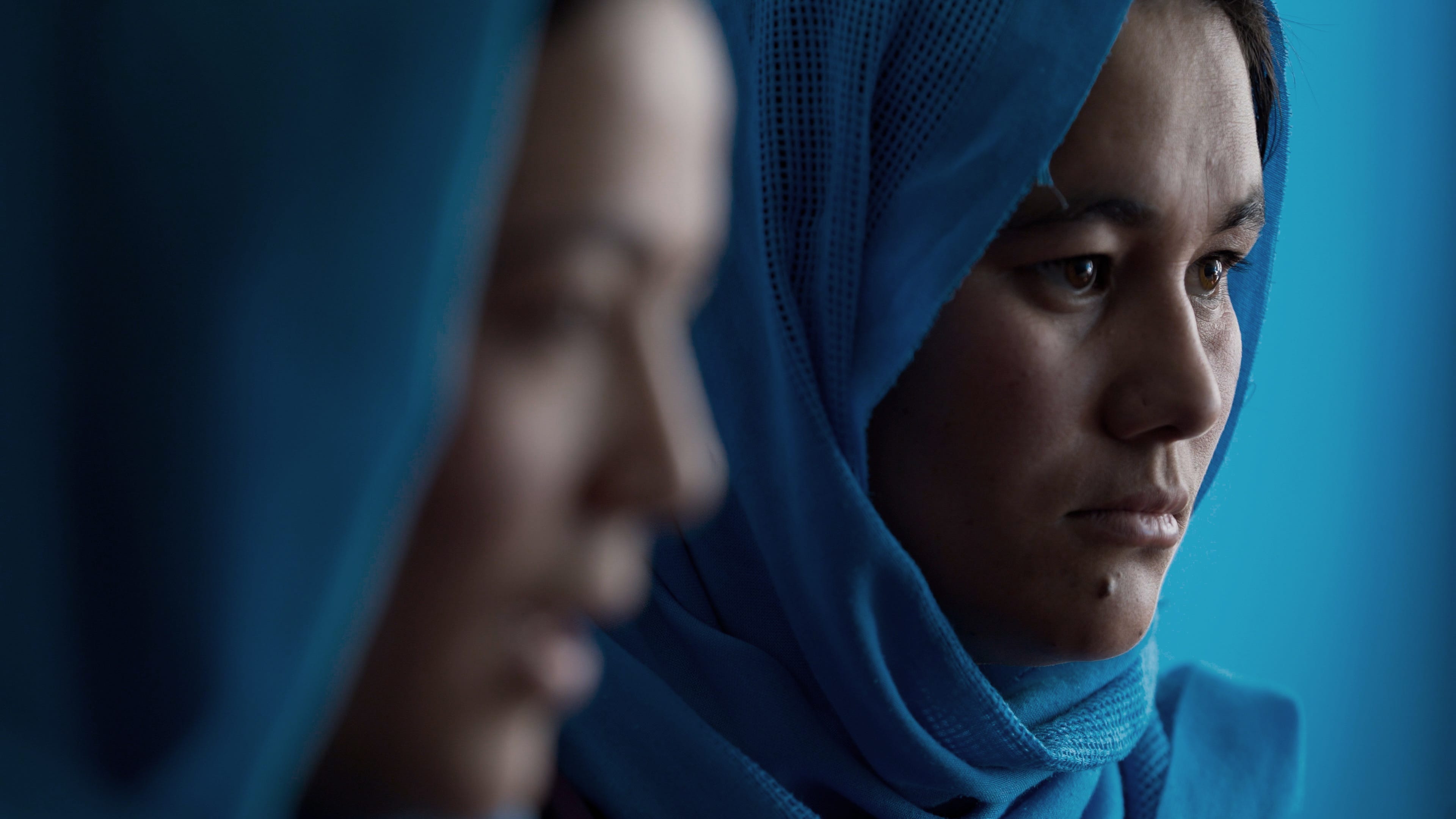
The Biggest Killer of Women in Afghanistan Is Not War, but Childbirth
Gulbadan is a twenty-one-year-old woman from a mountain village in central Afghanistan. She enters a training program for midwives, studies for two years, and then returns to her community. Not to a comfortable clinic, but to a small village clinic that is practically cut off from the outside world for part of the year. In winter, cars and trucks cannot reach it. There is no running water, no electricity, and no cell phone service.
She has to work in a country marked by a long war, under the pressure of a patriarchal society and, later, stricter Taliban rules. Her section of the film shows clearly that a midwife in this kind of environment needs more than medical skills. She also has to know how to deal with the community, families, and a system that often gives women very little space.
Two Women Are Murdered Every Day in a Country Marked by Gangs and Drugs
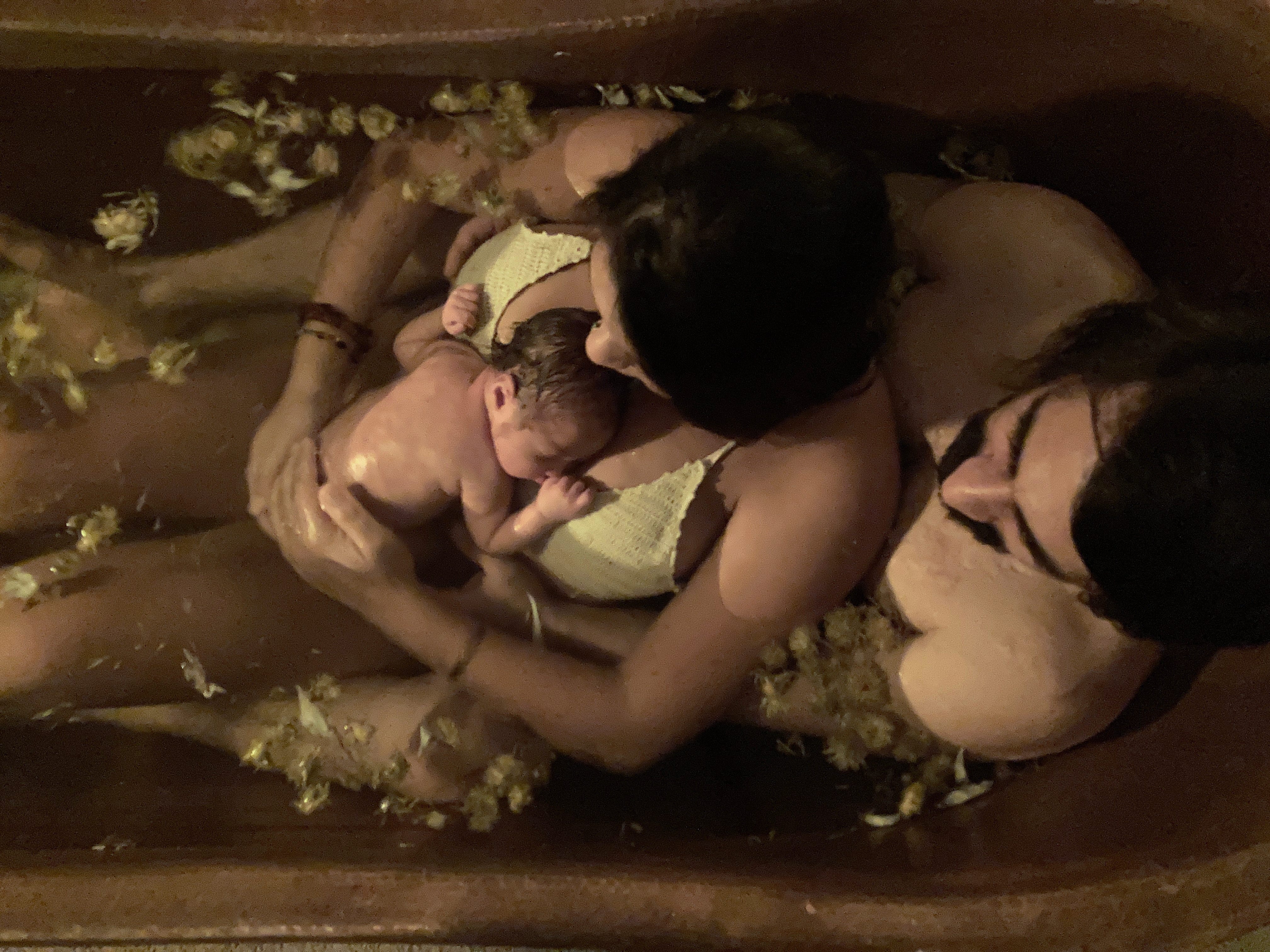
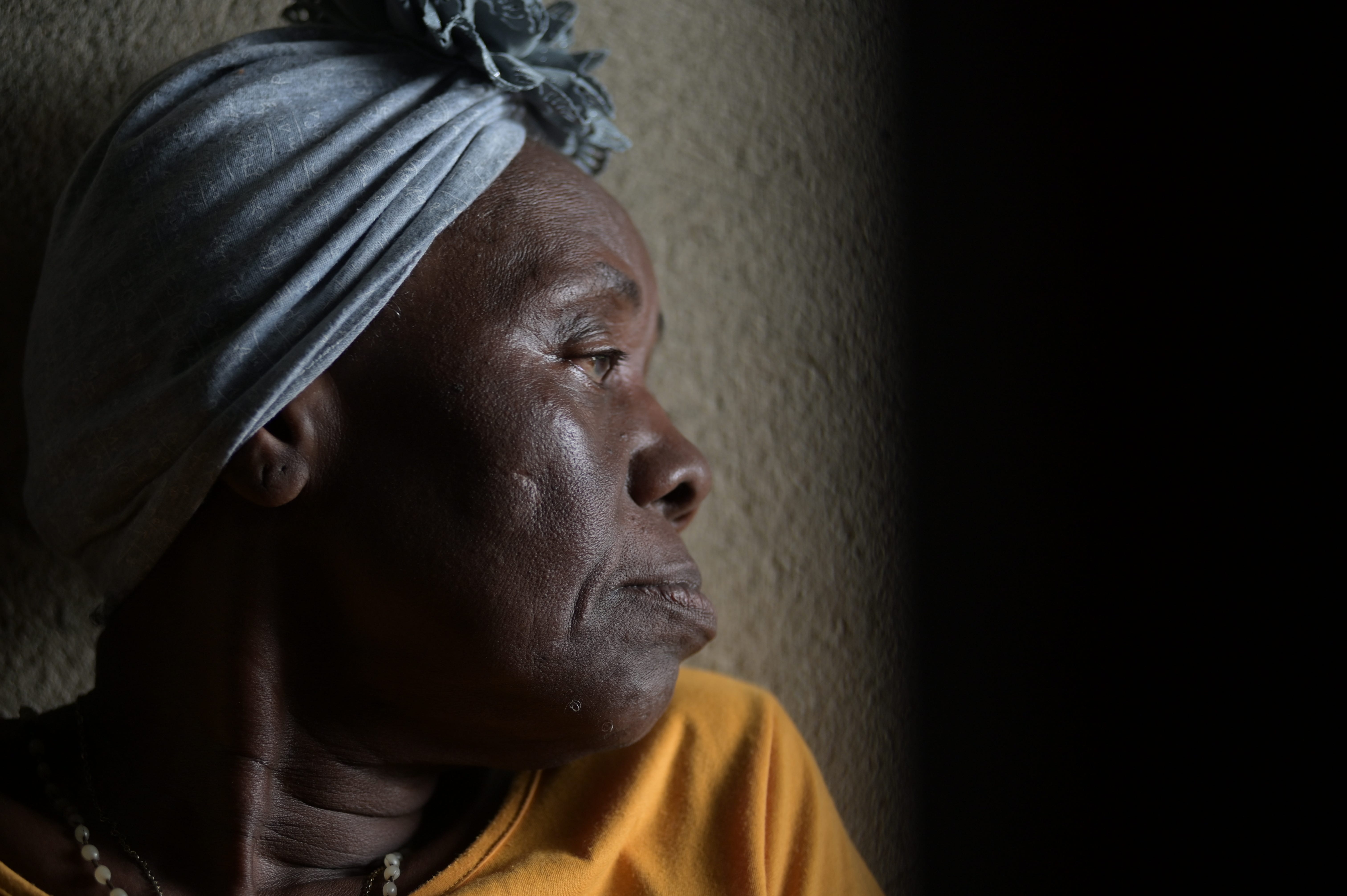
Maria is an Afro-Colombian midwife from Buenaventura, a port city marked by gangs, drugs, and a high level of violence. She travels to women by motorcycle, passes through checkpoints, and enters neighborhoods where regular health care is unavailable for many pregnant women. In her work, modern maternity care meets African and Indigenous Colombian herbal remedies and birthing practices passed down from generation to generation.
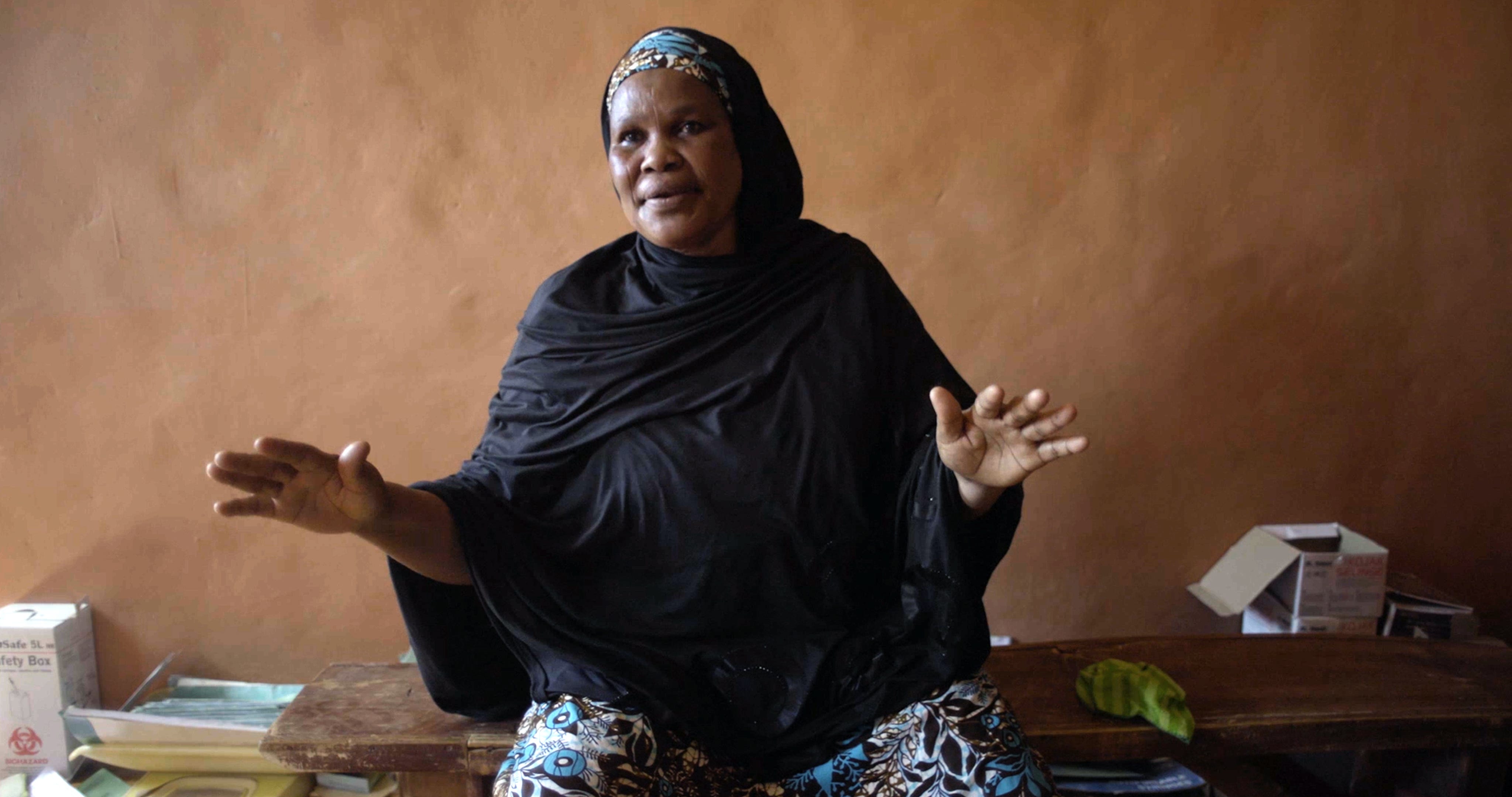
Nigeria Is the Deadliest Place on Earth to Give Birth
“I have delivered thousands of babies and I am always ready to deliver them. I bring my gloves everywhere I go,” says Hamsatu with a laugh. She works in Borno State in northeastern Nigeria, where poverty, drought, violence, kidnappings, and attacks by extremist groups affect women’s lives every day.
She herself had to flee because of the violence and lost two teenage sons. Still, she returned to a small clinic so she could continue helping women give birth. She has experience with traditional birthing practices and also received training from the Red Cross, so her work brings together community knowledge and more modern care.
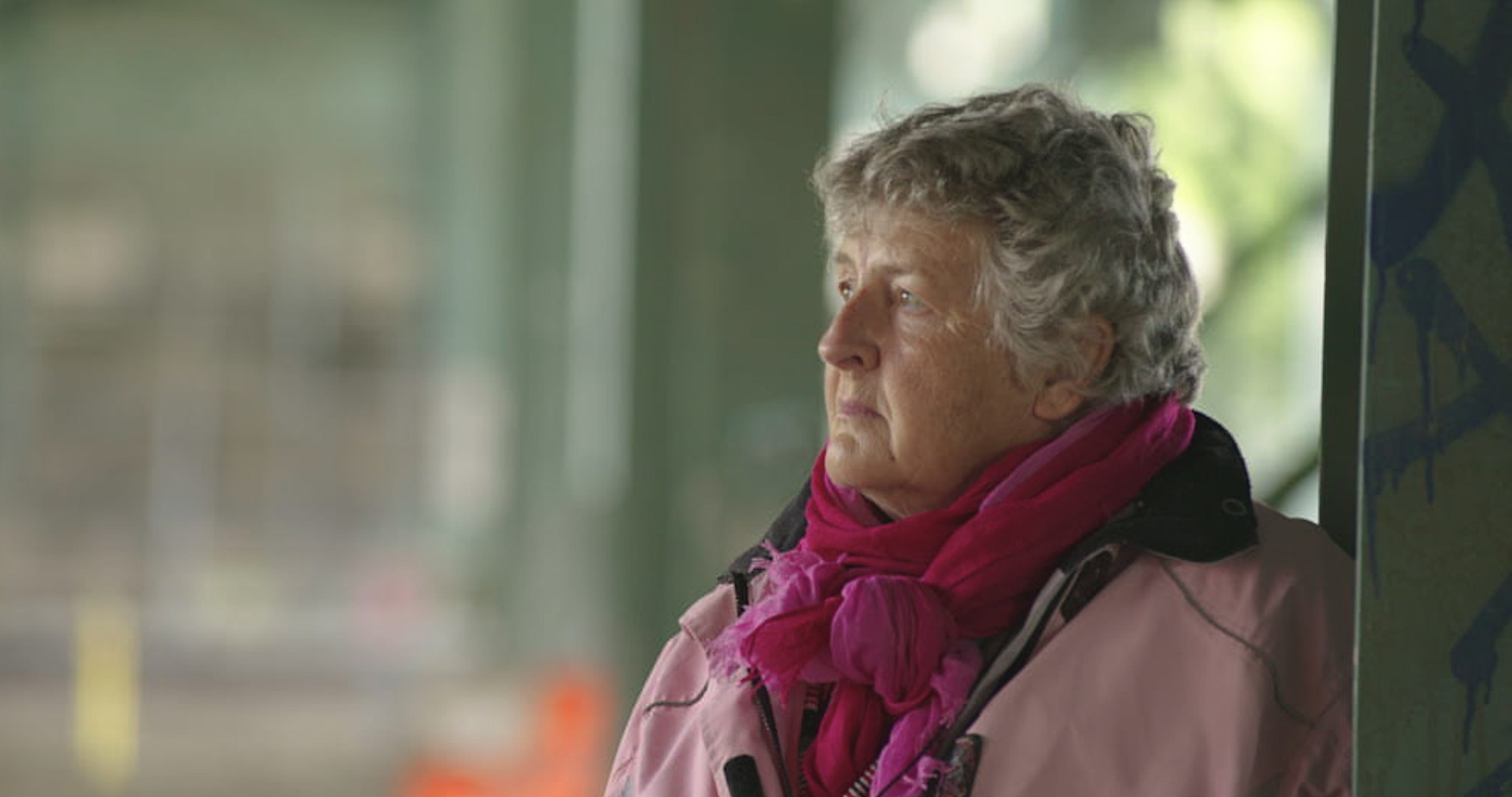
300 Babies Are Born Each Year to Homeless Women in Toronto
And then there is Jay in Toronto. Through her, Ackerman shows that even in the Western world, not everything is handed to people on a silver platter. Jay is one of the most experienced midwives in Canada, but instead of choosing more comfortable work with the middle class, she focuses on people the system leaves behind.
She travels to them in a mobile midwifery bus, going into streets and parks. She helps pregnant women experiencing homelessness, often including sex workers, whose experience with the health-care system is often one of judgment rather than real support.
The Director’s Personal Connection
The director has a strong personal connection to the subject. She gave birth at home with a midwife after a dramatic experience in 1990, when, as a pregnant photojournalist, she documented a tense conflict in Québec between police and the Mohawk community, who were defending their land against a planned development. During the police intervention, she went into premature labor, and it was midwives who helped stop the labor until her daughter was ready to be born.
At the time, she did not even consider a hospital birth because she was not sick. Later, she trained as a doula and helped women give birth both at home and in hospitals. That is also why the film felt very personal to me. It is made by someone whose interest in midwifery is not only professional.
Why Midwives Matter
And yet this is not some marginal profession. Midwifery is one of the oldest professions in the world, and in many communities, it remains a basic form of care. According to the WHO, universal access to midwife-delivered care could prevent 67% of maternal deaths, 64% of newborn deaths, and 65% of stillbirths by 2035.
After watching the film, these numbers do not feel abstract. When we follow Ximena, Gulbadan, Maria, Hamsatu, and Jay, it becomes much easier to imagine what it means when a midwife is missing.
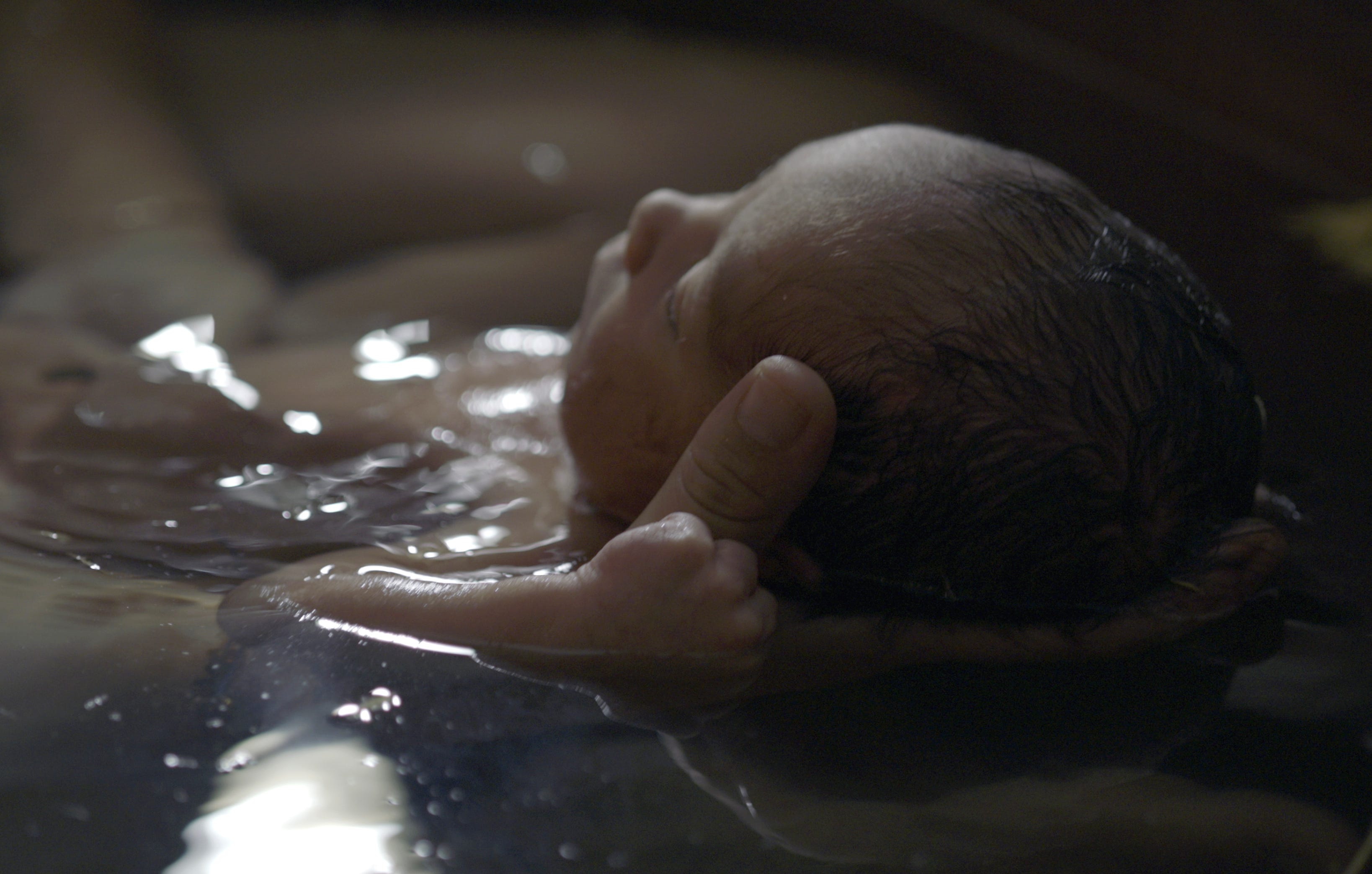
The Delivery Line: Midwives on the Frontlines should reach audiences beyond festival cinemas. It is an important subject, but more importantly, the film tells it through five specific women, their work, and the environments they navigate every day. The film is powerful because even across five places on different sides of the world, it keeps returning to the same point: a woman giving birth should have care, safety, and someone who will not leave her alone.
This is also why I like writing about films like this. It is not just about recommending another documentary from a festival program. I also see it as a small way to help a film like this reach people who might otherwise miss it. And if readers take anything from this review, I hope it is two things: I want to see this and this is a subject worth learning more about, or even helping with in some way.
Hodnocení: 10/10 ⭐️⭐️⭐️⭐️⭐️
Documentary
Canada 2026
Director: Nance Ackerman
Writer: Nance Ackerman, Ariel J. Nasr
Heroes: Ximena, Gulbadan, Maria, Hamsatu, Jay and others
According to information from the distributor, The Delivery Line will be broadcast in Canada on TVO in spring 2027.
Trailer:
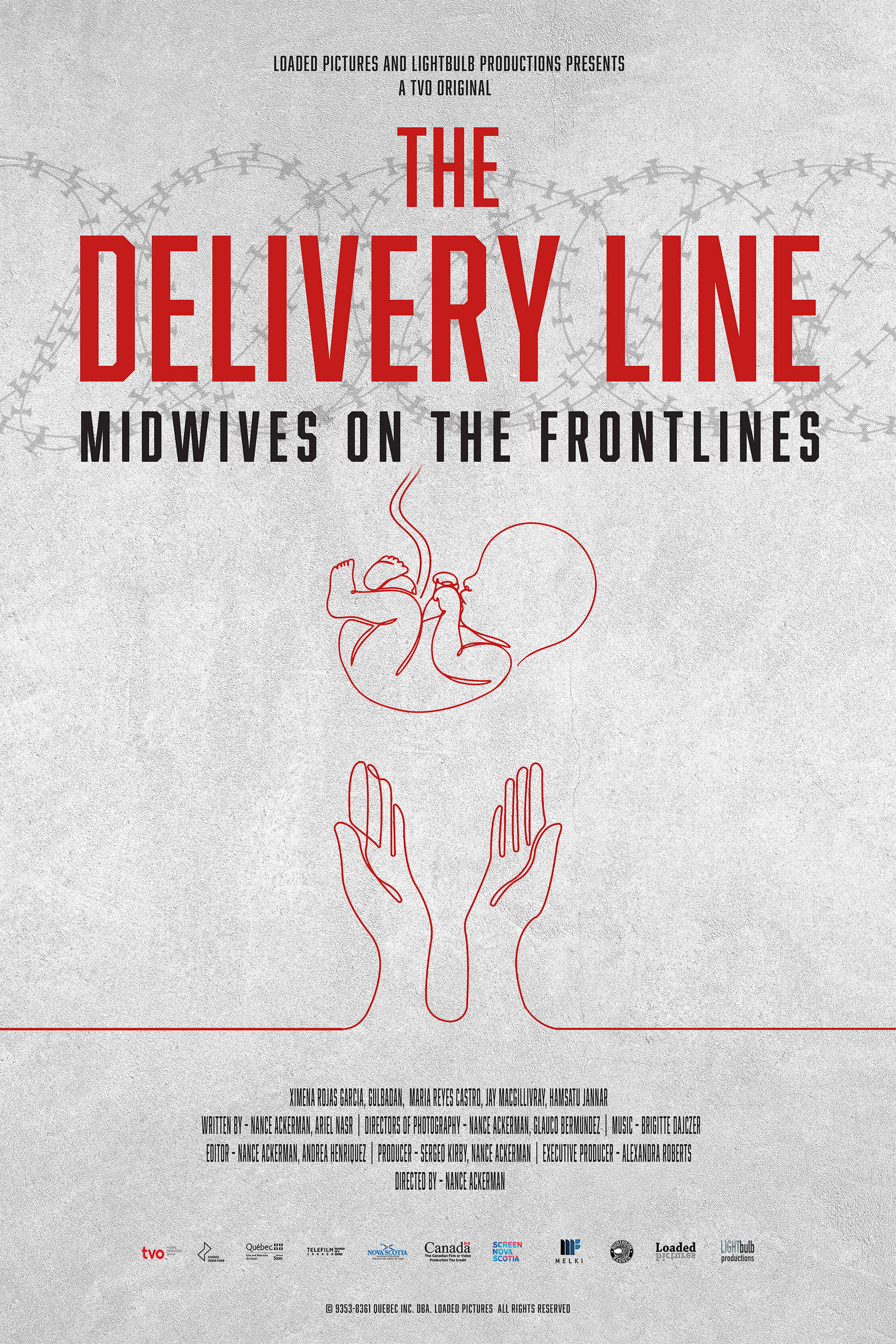
Poster: