
SXSW Interview: The Ascent — “To get to the top, I had to accept help,” says Mandy Horvath
We spoke with Mandy about climbing Kilimanjaro without prosthetics, and about how she moved from addiction.

A few days ago, I wrote about one of the most emotional documentaries I have seen in recent months.
The Ascent won the Audience Award for Best Documentary Feature at the South by Southwest (SXSW) Film & TV Festival, and I believe it earned that recognition.
At first glance, the film may seem like an inspiring story about an extraordinary athletic achievement. It follows Mandy Horvath, an American climber with bilateral above-the-knee amputations, as she attempts to climb Mount Kilimanjaro using only her hands. But the film quickly reveals that it is about much more than a mountain ascent. It also returns to the unresolved night after which Mandy lost both of her legs, and opens up years marked by trauma, addiction, PTSD, and loss of trust. That is where The Ascent becomes more powerful than its synopsis might suggest: it is not only about overcoming physical limits, but also about the long process of finding a way back to oneself.
As part of SXSW, I had the chance to speak with Mandy Horvath and the filmmakers about how the documentary came together, why it connects an athletic challenge with a true-crime dimension, and what it meant for Mandy to accept help both on the mountain and in life.
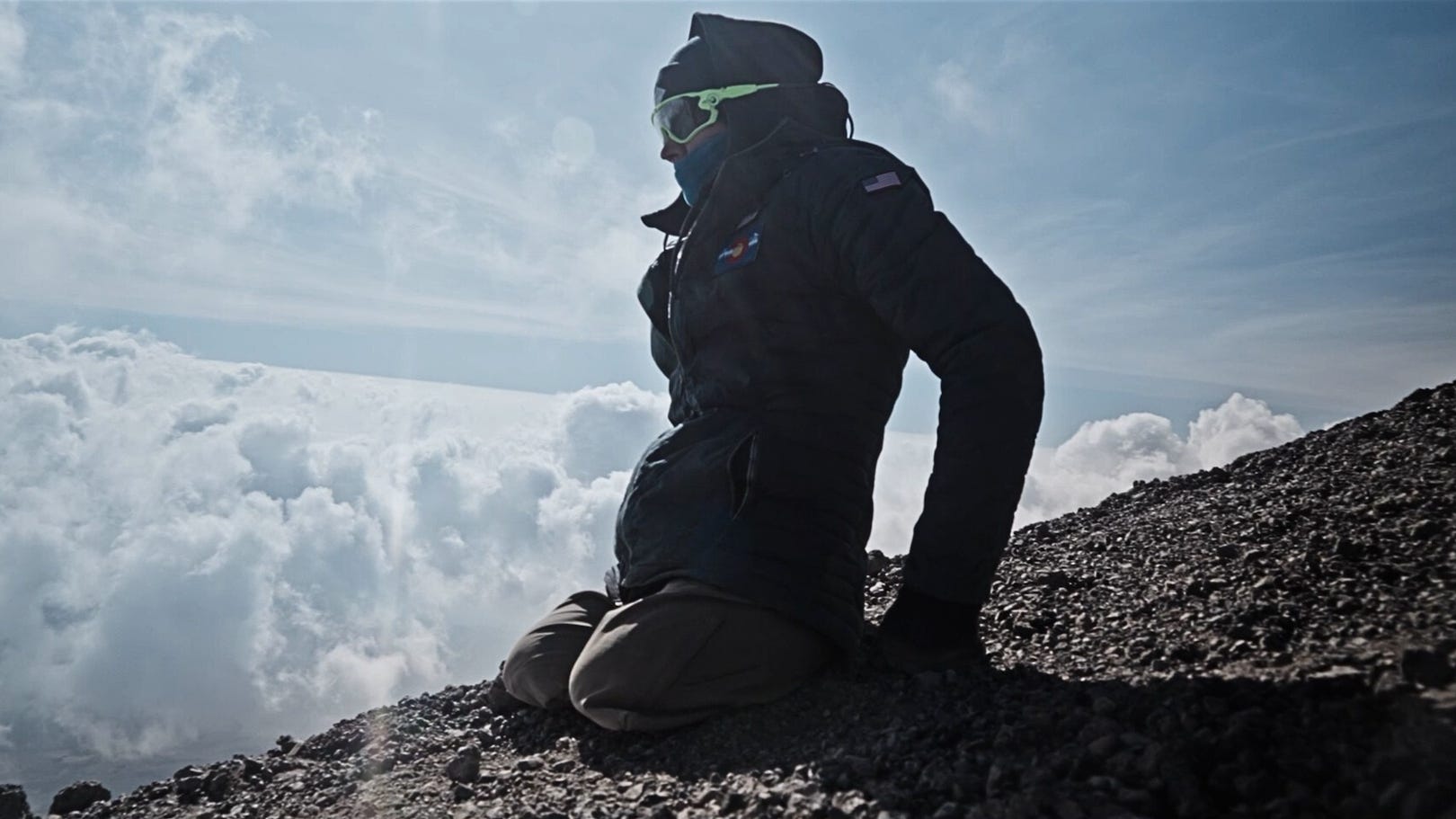
Interview: Mandy Horvath and the filmmakers of The Ascent
FD (Frame Dispatch):
One of the things that struck me about The Ascent is the way it connects a sports documentary with trauma and, to some extent, even a true-crime layer. How did you find the right structure to make those elements work together?
Edward Drake:
That’s a great question. I think it was really only once Scott joined the project that we truly understood how to organically weave in the true-crime side of the story. I kept coming back to one simple question: why? Why climb the mountain? What is driving Mandy forward? Together with Scott and Francis Cronin, we were able to dig deeper into that “why,” and started to see how much trauma, energy, and how many unanswered questions were fueling that journey.
Scott Veltri:
We went through several versions of the film, and for a long time we were trying to figure out how to reveal information. In the end, a more linear approach made the most sense to us. Part of that was because we were still learning new things very late into the editing process. Some of the information that appears later in the film was not something we even had at the beginning. So in a way, the structure of the film ultimately reflects that very process of gradual discovery.
Edward Drake:
And honestly, Mandy is the star of the film. It was completely up to her whether she would trust us and whether she would choose to be vulnerable on camera.
FD:
Mandy, before Kilimanjaro, you had already completed several other climbs. What made this one different?
Mandy Horvath:
What made this climb different was that in order to get to the top, I had to accept help. I had to trust the people guiding me and really open up to them. That was a huge part of why this climb was different from the others.
FD:
The film conveys the physical pain very intensely. What was the hardest part of moving across the mountain, and what might viewers not fully realize?
Mandy Horvath:
Probably the damage to my hands. By the second day, we were already worried about infection, so my hands were really on the edge for a while.
FD:
I also noticed that you sometimes changed the way you moved, at times even turning around and going backwards. Was that to engage different muscles?
Mandy Horvath:
Yes, exactly. I do that to use different muscle groups. I’ll move one way for a while and then switch it up so I’m not constantly putting strain on the same part of my body.
FD:
Did you train specifically for that style of movement?
Mandy Horvath:
For my previous climbs, I didn’t train in any special way, but for this one, I did. I trained for more than a year. I didn’t have any formal coach, though. I trained at home through Beachbody.
Edward Drake:
I think this style of climbing is really something Mandy created herself. There is no established model for it, no exact blueprint.
Scott Veltri:
And this climb was different in another way too — it was a multi-day journey. Her previous climbs were completed in a single day, while this one lasted nearly a week.
FD:
One of the people who really stayed with me from the film was Whitey, one of the guides. He came across as funny, warm-hearted, and also like someone who kept the group’s spirits up with his energy and singing. Are you still in touch?
Mandy Horvath:
Yes, we still talk. We follow each other on social media, and I hope I get to climb with him again someday. He really was singing all the time. We sang a lot together on the trail.
Edward Drake:
In fact, we had many beautiful moments on camera of Mandy and Whitey singing together — even more than what’s in the film — but some of the songs were just too expensive to use. We were lucky that we were able to keep at least one of those moments in the film.
FD:
The music in the film works beautifully. Especially the Bob Marley song, “Everything’s Gonna Be Alright,” which in some moments feels playful, but by the end comes back in a much stronger and more emotional way. How did that come together?
Edward Drake:
That was a really special moment for us. We found an amazing version of that song, and because Mandy and Whitey shared this musical connection on the trail, it made sense to let that motif return in the film. When our editor sent us the first cut of the ending scene with that song, we were thrilled. We immediately felt that this was exactly how the film should end.
FD:
One thing I really appreciated about the film is that it doesn’t present you as some polished, untouchable inspirational icon. We see pain, but also a lot of sarcasm and even some pretty dark humor at times.
Mandy Horvath:
Definitely. Humor is a coping mechanism that has gotten me very far in life. I like to laugh even when I’m doing something completely insane.
FD:
There is also a moment in the film where you mention marijuana as part of how you dealt with pain.
Mandy Horvath:
I truly believe in the medical use of marijuana. It changed my life and made it possible for me to function again. As the film shows, at one point I was taking 22 different medications a day, and a lot of them were narcotics. It was literally killing me. So no, I don’t really care what anyone thinks about it. It saved my life.
Edward Drake:
Let’s just say Mandy probably won’t go into every detail about how that worked in Tanzania, in case she ever wants to go back there again.
FD:
What would you like people to understand about this story after seeing the film? What do films like this often miss?
Mandy Horvath:
More than anything, I want to help people. I hope the film has some kind of impact on them. That’s the biggest goal for me.
Edward Drake:
For all of us, the most powerful thing is Mandy’s resilience. Her ability to push through obstacles, endure, and keep going. That is what inspired us to tell this story. Watching her during this journey changed us too, and we truly believe the film will inspire other people as well.
FD:
Do you see this as the end of one chapter, or do you already have another big goal in mind?
Mandy Horvath:
I would love to keep climbing. I’d love to climb again with Whitey, Carel, and Sally. But climbing is expensive, and I’m a low-income girl, so right now I’m looking for sponsors who could help make another ascent possible.
Edward Drake:
And in the meantime, she’s definitely not slowing down. Mandy is riding horses now, training horses, and wants to get into barrel racing, so she already has a completely different challenge ahead of her.
FD:
That’s great to hear. Thank you all so much for your time, and congratulations on the film.
Mandy Horvath / Edward Drake / Scott Veltri:
Thank you.
We appreciate it.
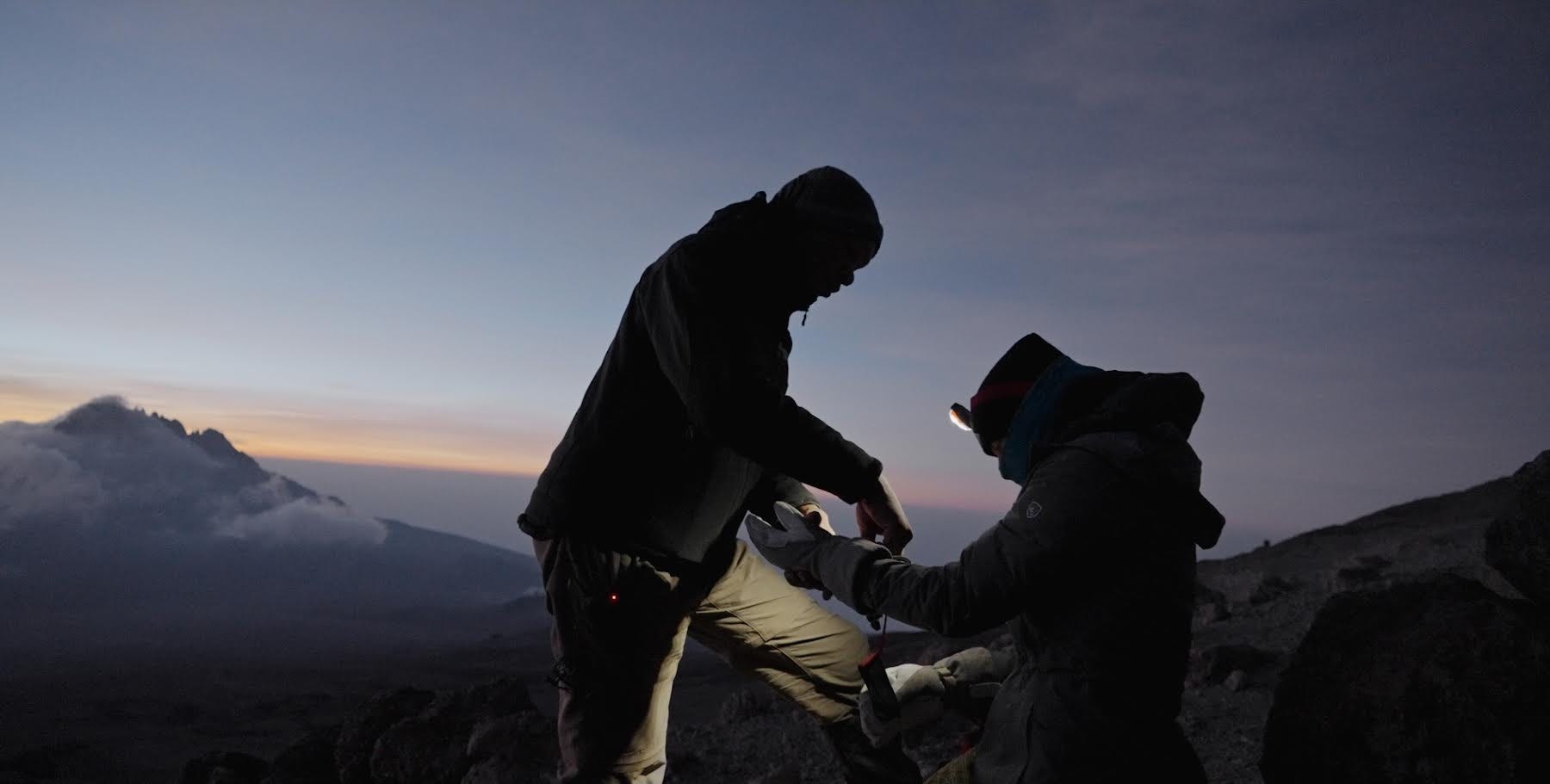
Who is behind The Ascent?
Behind The Ascent is a trio of filmmakers Edward Drake, Scott Veltri, and Francis Cronin, who bring together experience from fiction filmmaking, documentary work, and adventure storytelling.
Edward Drake is a screenwriter and director based in Los Angeles. His credits include the Knight trilogy for Lionsgate starring Bruce Willis, as well as Gasoline Alley for Paramount. Most recently, he wrote and directed Guns Up, starring Kevin James and Christina Ricci.
Scott Veltri is a director, writer, and Emmy-nominated producer, as well as the founder of Tower Way. He has worked as a producer and executive producer on several documentary projects and has long moved between documentary and scripted storytelling.
Francis Cronin is an Irish director, actor, and comedian whose background ranges from stand-up comedy to service with United Nations rapid response units in Liberia. His creative work has also focused on extreme nature and adventure, which clearly leaves its mark on The Ascent.
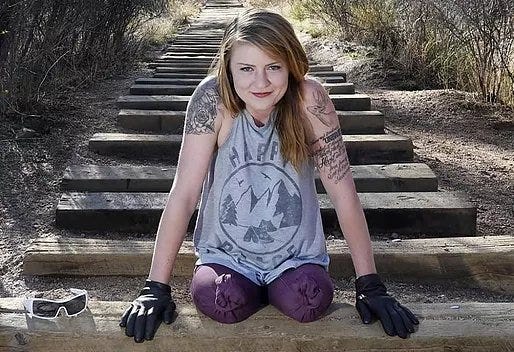
At the center of the film is Mandy Horvath, an American climber, creative artist, and public speaker who, after losing both legs, built a reputation as a remarkably determined athlete. She became known for record-setting climbs completed without prosthetics, scaling mountains using only the strength of her arms and hands. The Ascent follows her journey up Kilimanjaro, but also tells the wider story of her resilience and refusal to give up.
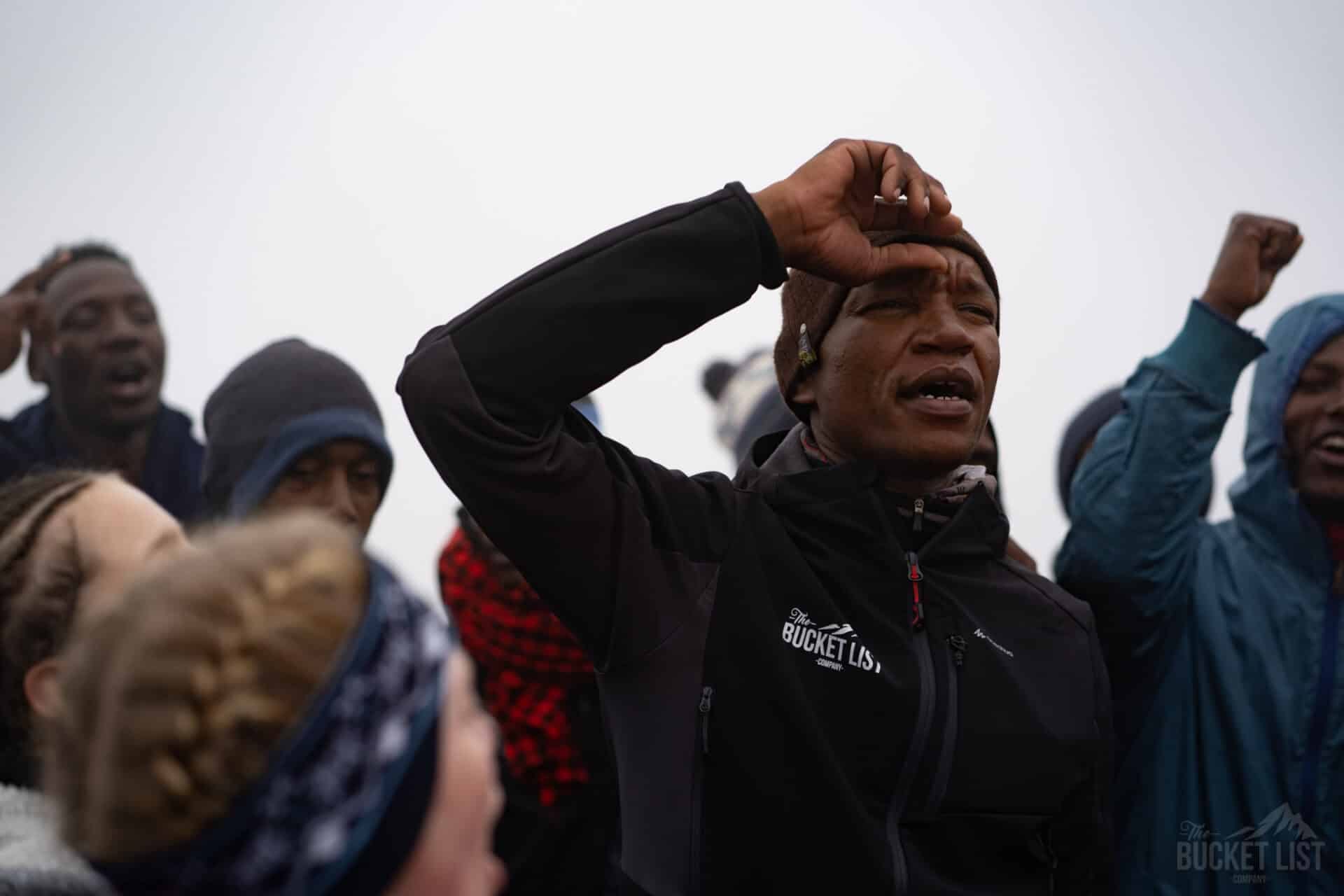
The film also features experienced Tanzanian mountain guide Julius John White, nicknamed “Whitey,” who has completed hundreds of Kilimanjaro ascents and is regarded as one of the most respected guides in the region.
Another important part of the story is played by Carel Verhoef and Sally Grierson, partners and experienced guides who have long been dedicated to African nature, travel, and environmental protection.
This review is part of my SXSW 2026 coverage from Austin, Texas. You can read more reviews, interviews, and festival coverage from SXSW 2026 in my South By Southwest 2026 section.