
Tribeca 2026: The Accompanist, Starring Susan Sarandon and Aubrey Plaza, Revealed the Personal Story Behind the Film After Its Screening
Director Zach Woods and the film’s creative team spoke about motherhood, foster care, choreography, and improvisation, which allowed some moments to emerge directly on set.

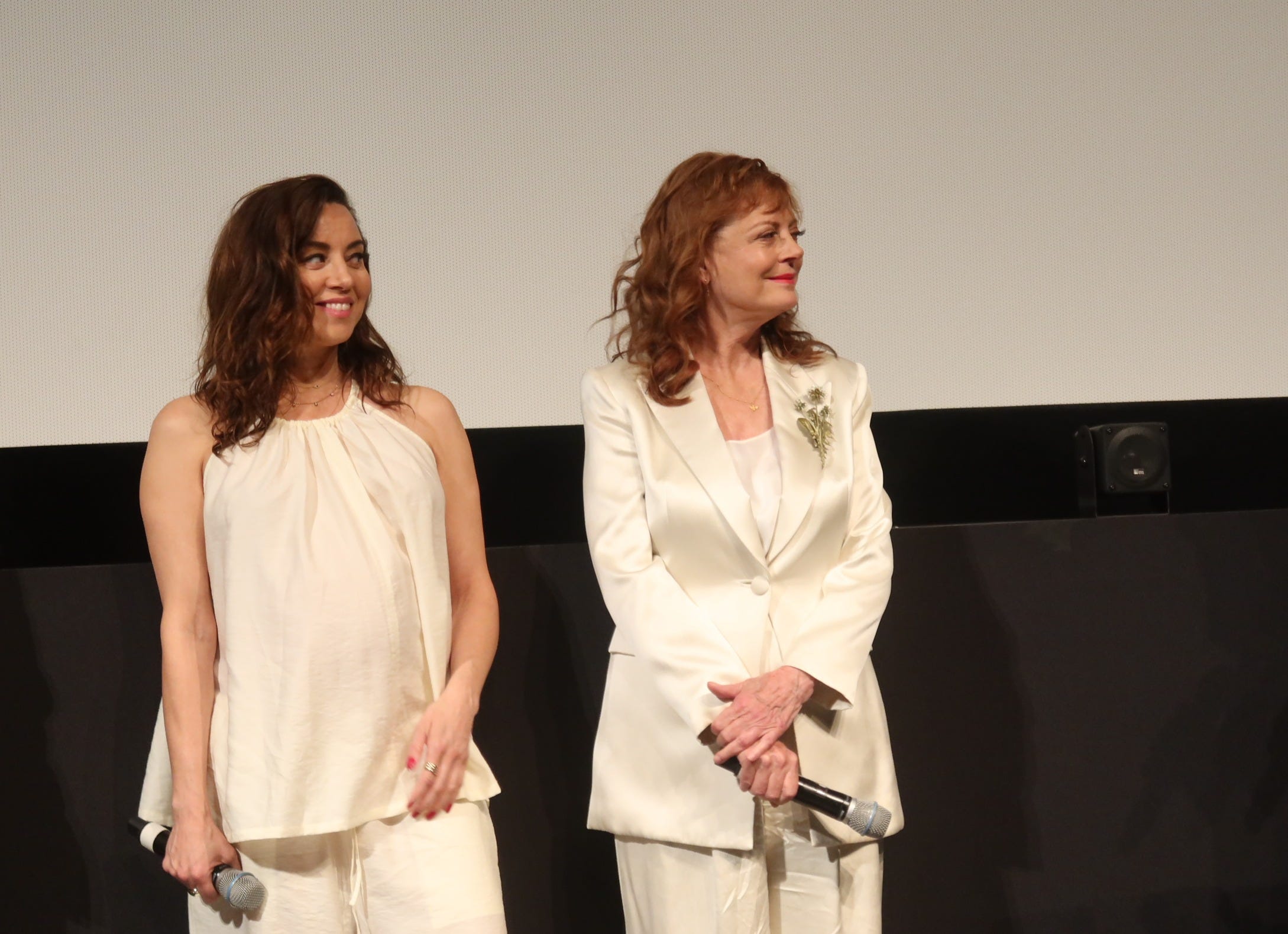
After the festival screening of the world premiere of The Accompanist at Tribeca in New York, the filmmakers joined the audience for a post-screening Q&A.
The Accompanist tells the story of a young girl who, after losing a stable family background, finds herself in the world of foster care and begins searching for her own place among people who may be able to offer her closeness. The film follows her fragile relationships with the adults around her, as well as her gradual bond with a new foster mother, played by Susan Sarandon.
On stage were director Zach Woods, Everly Carganilla and Kevyn Morrow, who play the granddaughter and her grandfather in the film, as well as the film’s biggest stars, Susan Sarandon and Aubrey Plaza.
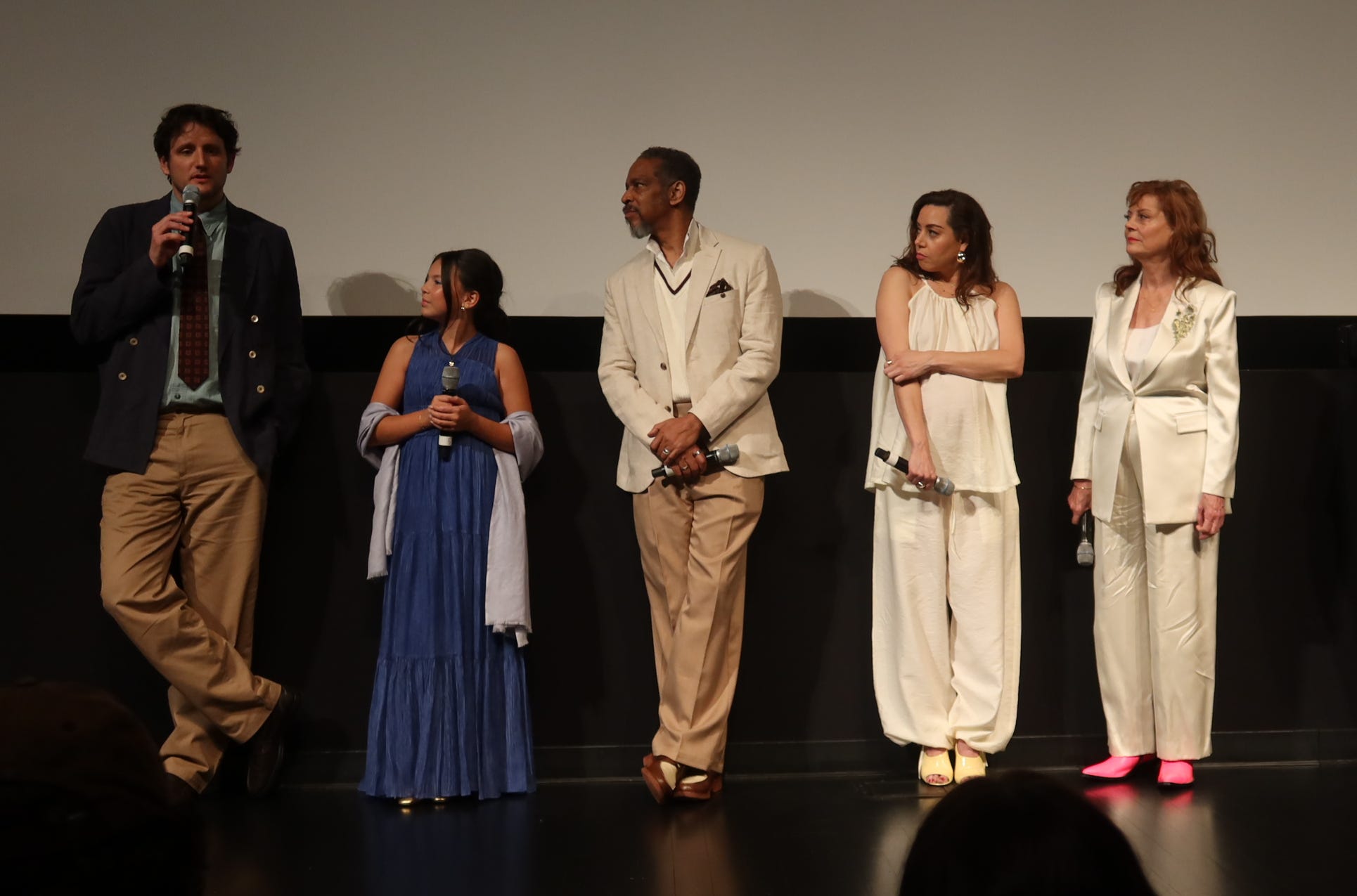
At the beginning of the discussion, Zach Woods connected the film’s theme of foster care to his own family history. He spoke about growing up in an unusual environment around the home of his foster grandmother, and about the fact that his mother was nineteen when he was born. The themes of young motherhood, unstable family structures and fragile relationships therefore emerged as one of the film’s deeply personal layers.
Woods also compared working with subjects such as foster care and anorexia to juggling dynamite. It takes very little for a sensitive topic to turn into a cheap dramatic device or a decorative piece of festival-friendly suffering. The filmmakers therefore tried to find a way to approach these subjects without sensationalism and without simplifying them.
Everly Carganilla admitted that the film gave her the difficult task of building several intense relationships on screen, whether with the characters played by Susan Sarandon, Aubrey Plaza or Kevyn Morrow. She described her first meeting with Susan Sarandon at the table read as a moment she would remember forever. Instead of the distance of a major star, she was met with open arms, which helped create a natural bond between them.
The conversation also touched on one of the film’s emotionally heightened scenes, in which different timelines, memories and the loss of a loved one begin to overlap. In moments like this, The Accompanist moves away from straightforward realist drama and explores how the past can survive in the gestures and faces of other people.
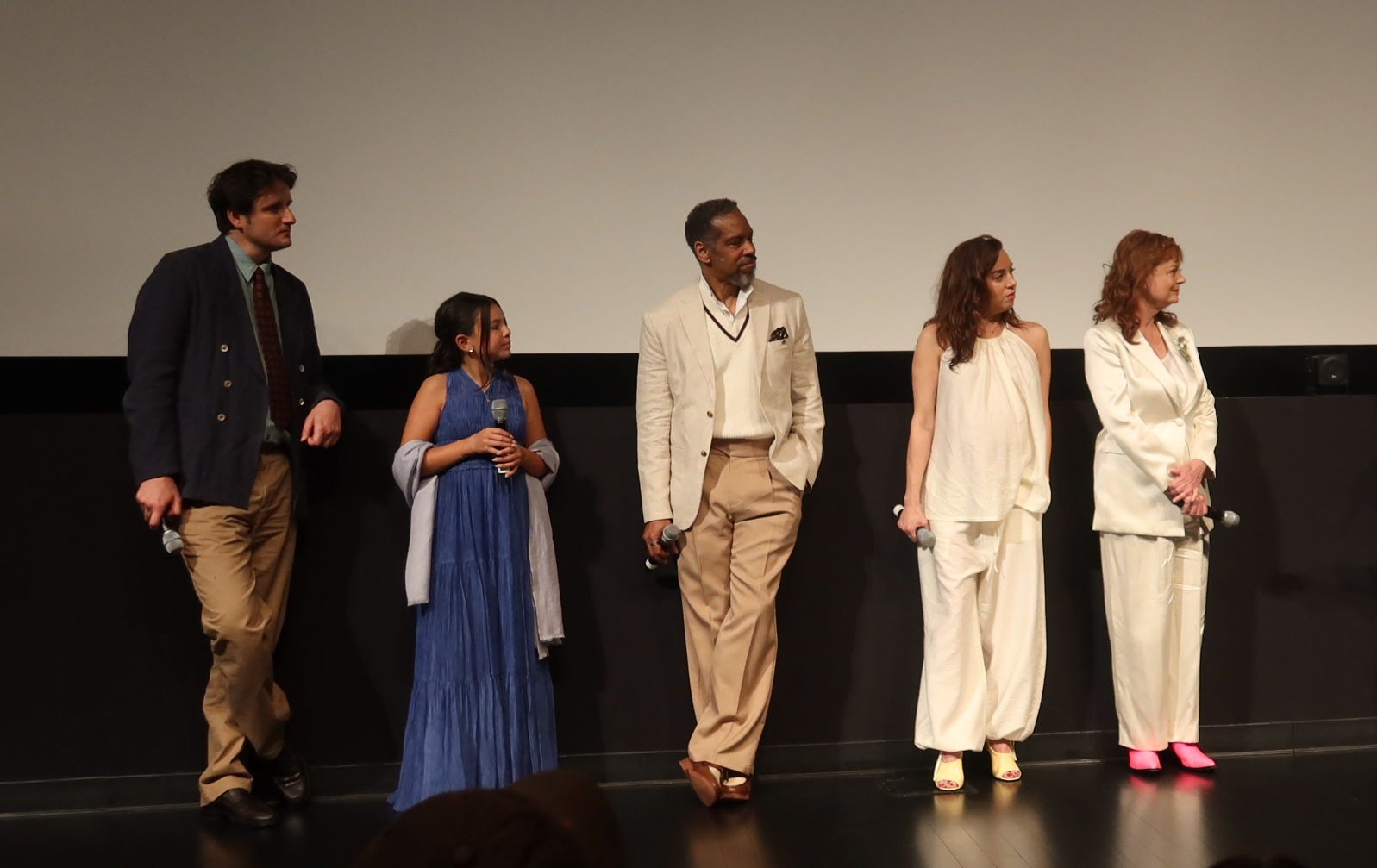
Woods later spoke about how his experience with Upright Citizens Brigade informed his approach to directing actors. He explained that he looks for the same kind of danger and aliveness that can emerge in improvisational theatre. For him, the shoot was about the actors’ ability to truly live, react and take risks in front of the camera. That is also why some moments were born directly on set. One amusing behind-the-scenes detail was the revelation that Susan Sarandon’s line, “Well, there goes medical school,” was not firmly scripted, but emerged during filming.
Alongside the film’s family and bodily themes, the discussion also turned to dance, which plays an important role in the film. Woods introduced dancer and choreographer Madeline and noted that the choreography for the dance scenes had been developed long before the project fully came together.
In response to an audience question about writing complex characters, Woods mentioned Céline Sciamma’s principle of “writing from desire” writing from a desire for specific images, scenes and situations, rather than only from a rigidly constructed plot. For a moment, the Q&A also became a small screenwriting lesson, one that fit naturally into the spirit of the evening.
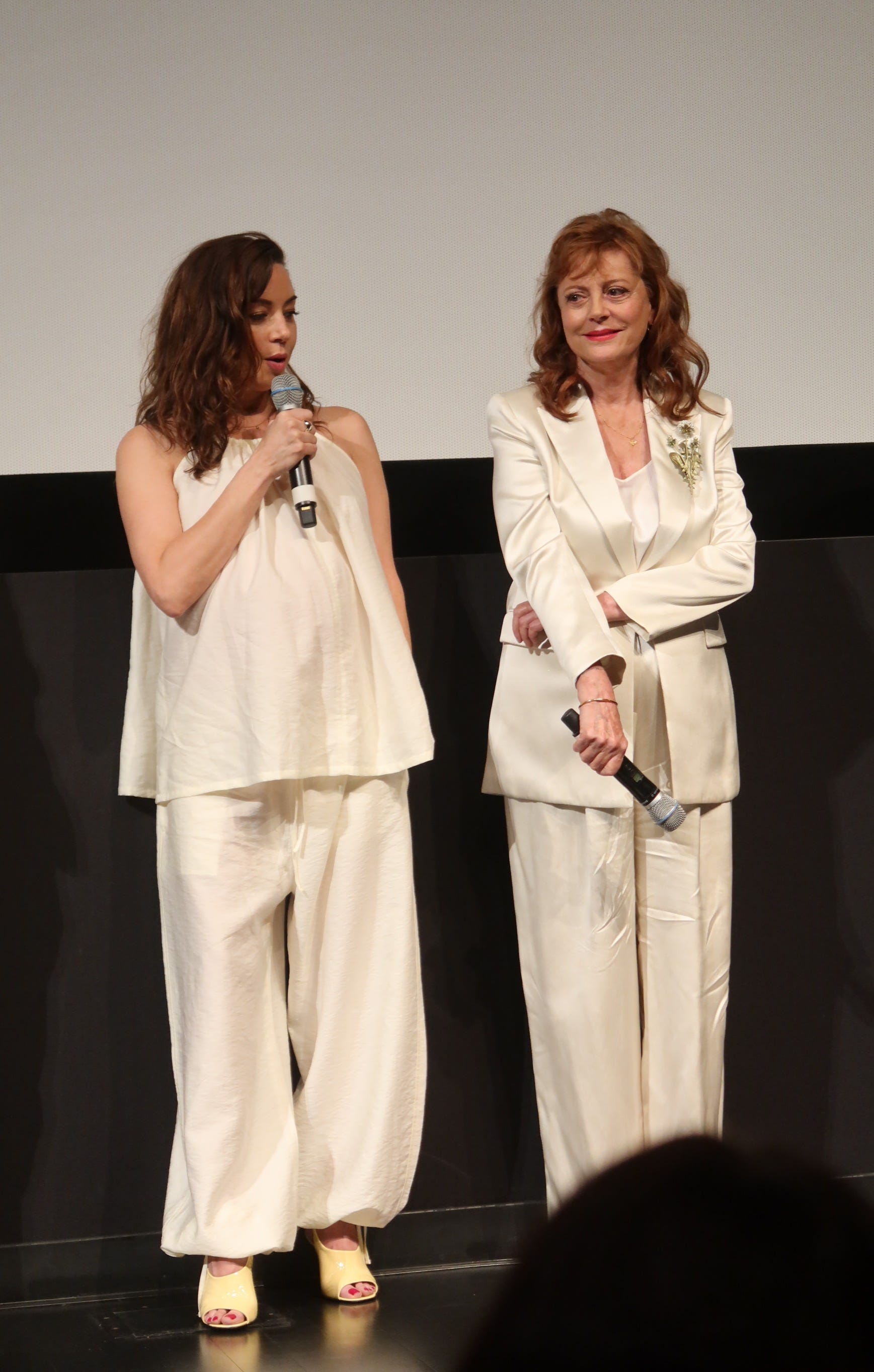
After the screening, The Accompanist revealed itself not only as a film about sensitive subjects, but also as the result of personal experience, actorly trust, improvisation and a willingness to let certain moments come alive directly in front of the camera. I will return to the film itself soon in a full review.